Russian Arctic · 1880s–2024

A century of polar bear history, written in DNA.

We study archival and modern samples to understand how genetic diversity, population structure and migration have changed across the Russian Arctic.

300
historical & modern samples
140+
years represented
96
libraries sequenced
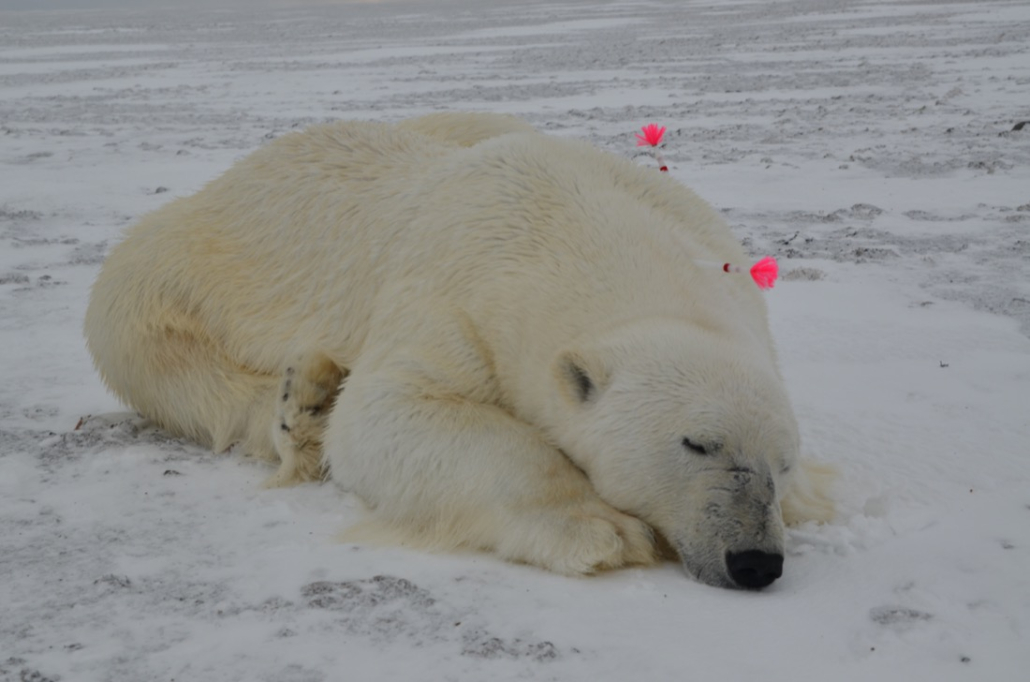
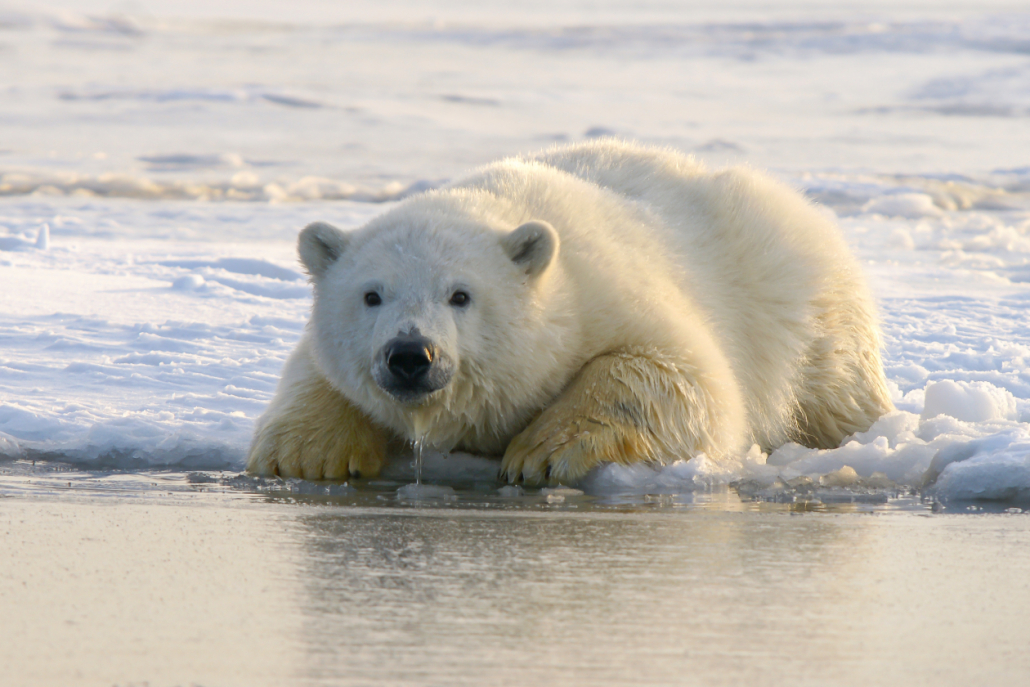
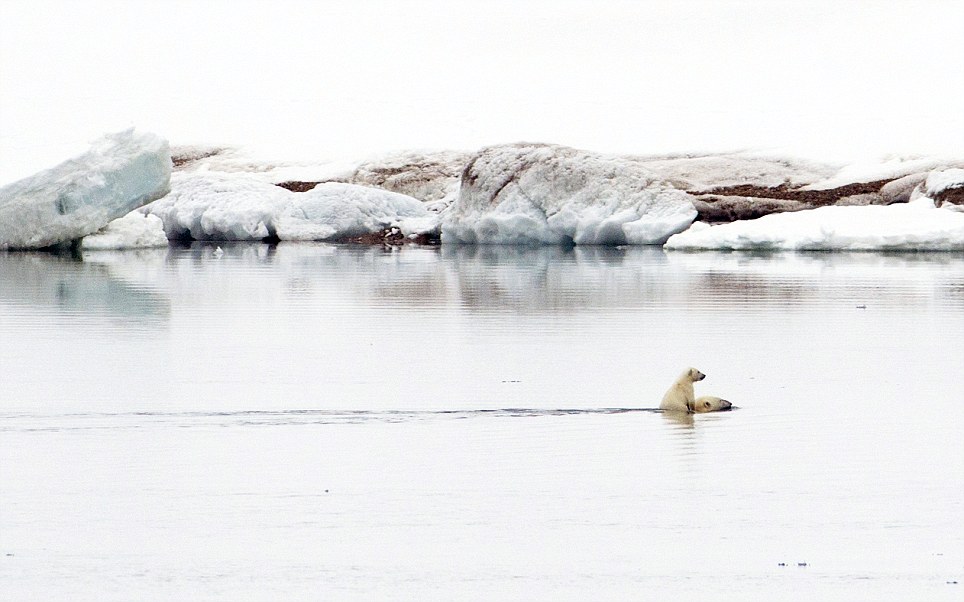
Polar bear resting beside Arctic sea ice
Ursus maritimus — the sea bear

The research

Short overview

Polar bears are a powerful symbol of the strength and endurance of the Arctic. Habitat fragmentation and contraction caused by human activity threaten genetic diversity and increase the risk of extinction.

Our study investigates the genetic diversity, population structure, migration trends and demographic history of polar bear populations in the Russian Arctic.

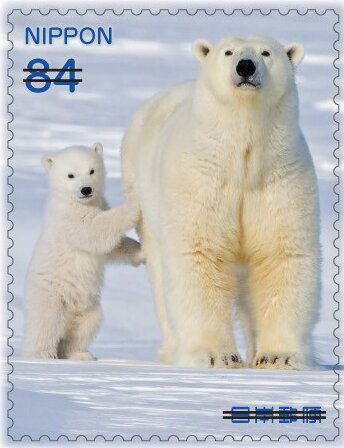
Adult polar bear with a cub
Generations on the Arctic ice
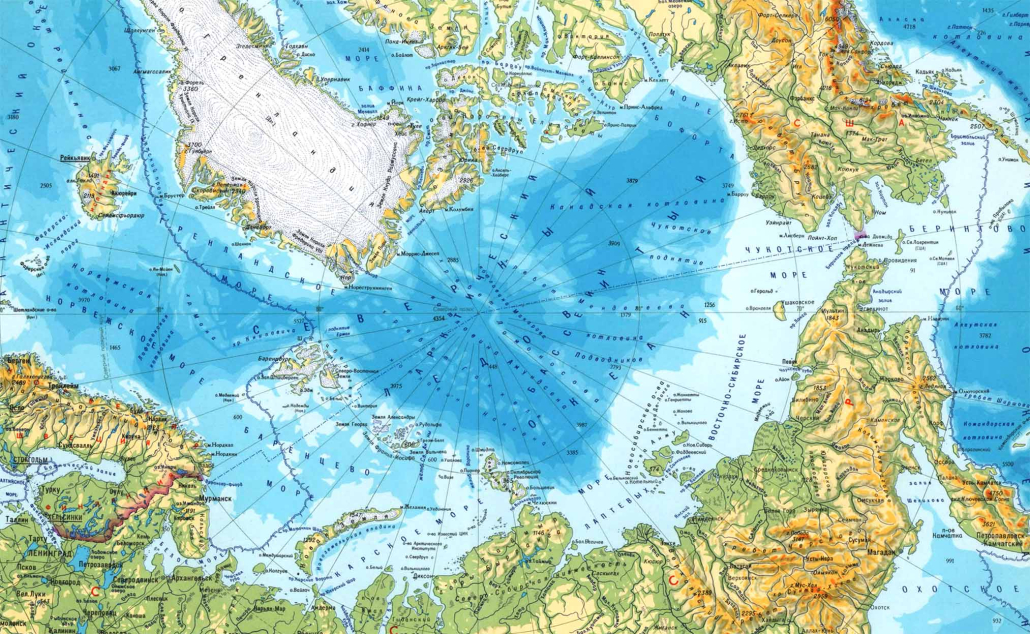
Map of the Arctic
A circumpolar species

Why it matters

Extended project overview

The polar bear is the world’s largest terrestrial carnivore and a dominant predator in the Arctic, roaming sea ice and tundra. It is the only land mammal that uses pack ice as its main habitat. Its Latin name, Ursus maritimus, means “sea bear.” These bears are strong swimmers and can cover vast distances in icy waters.

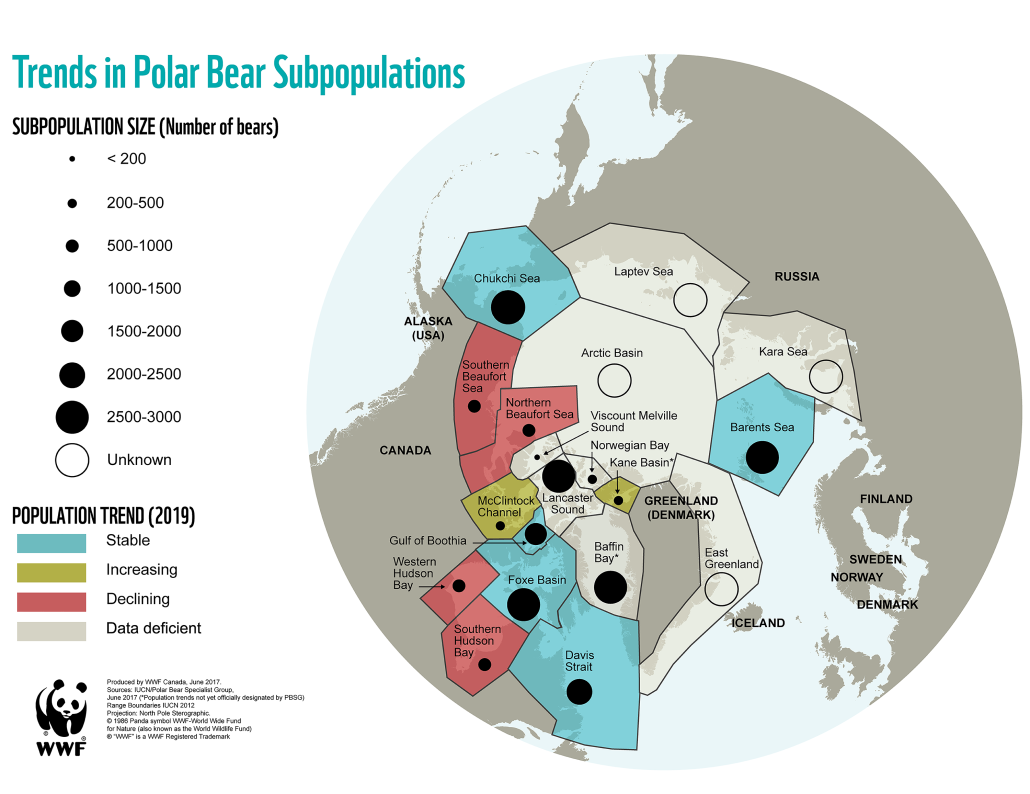
Polar bears are distributed in 20 relatively distinct populations across the circumpolar Arctic, ranging from a few hundred to a few thousand individuals. Three subpopulations occur in the Russian Arctic: Kara–Barents, Laptev and Chukotka–Alaska. Their genetic status remains largely unknown, limiting conservation efforts.

During the past century, infrastructure and human activity have fragmented Arctic habitats. This project asks a direct question: how has the genetic status of polar bear subpopulations changed since the 1900s?

By sequencing archival and modern DNA from samples collected across the region — some dating to the 1880s — we can reconstruct population history, understand human impact and develop molecular tools for monitoring migration and preventing poaching.

Polar bears crossing the ice Map of polar bear populations Polar bear in Arctic landscape

Field notes & results

Project timeline

From museum collections and clean-box extraction to whole-genome sequencing and population analysis.

2022September

Inside a remarkable collection

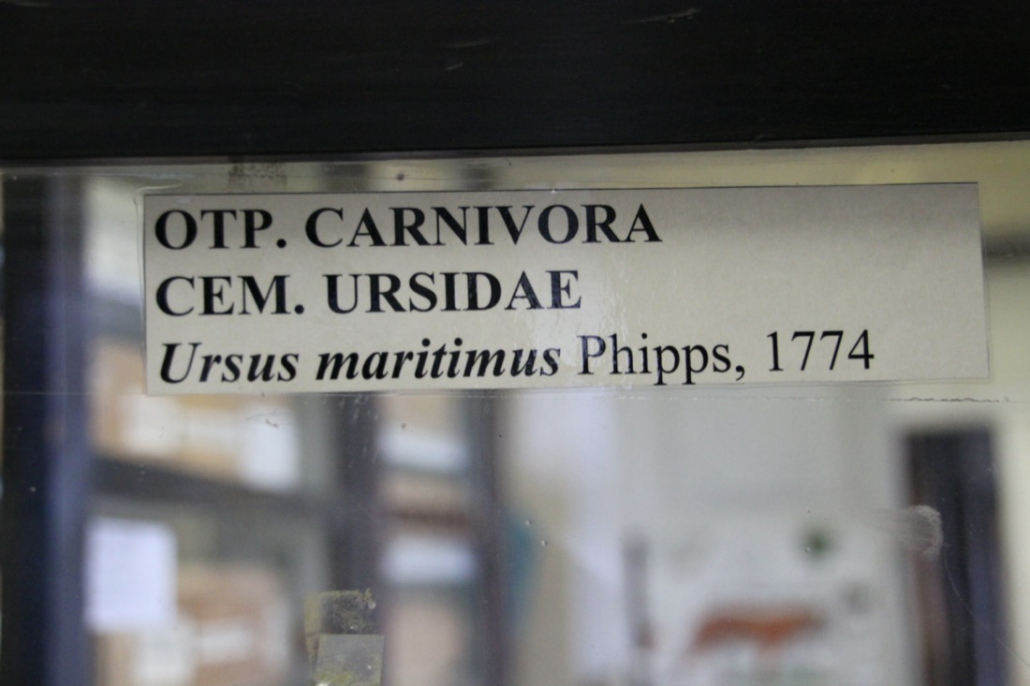
By the shores of the Neva River, in the heart of Saint Petersburg, stands the Zoological Institute of the Russian Academy of Sciences. Its collection contains around 60 million items representing roughly 25% of the world’s fauna.

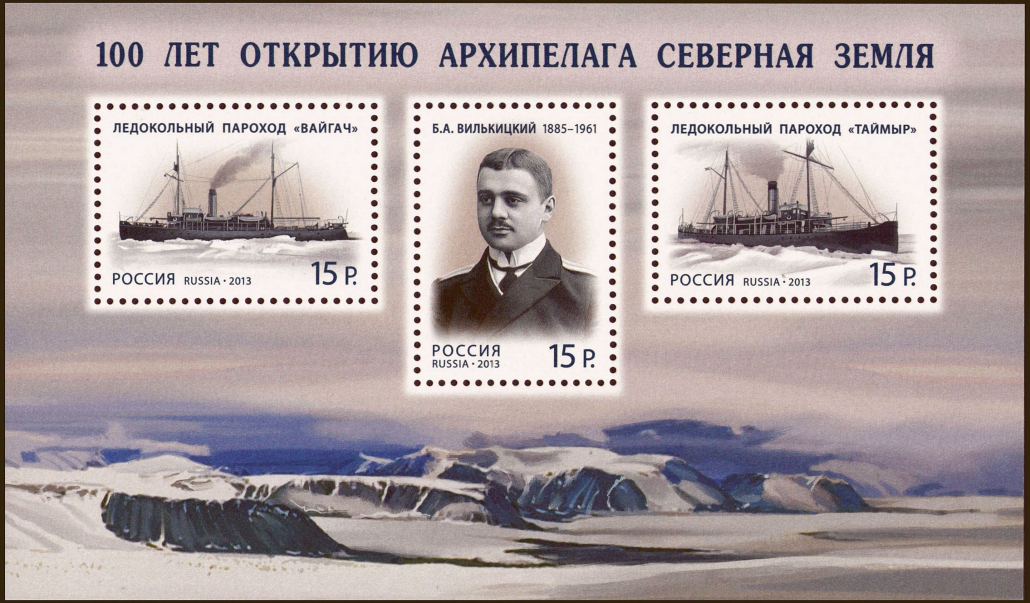
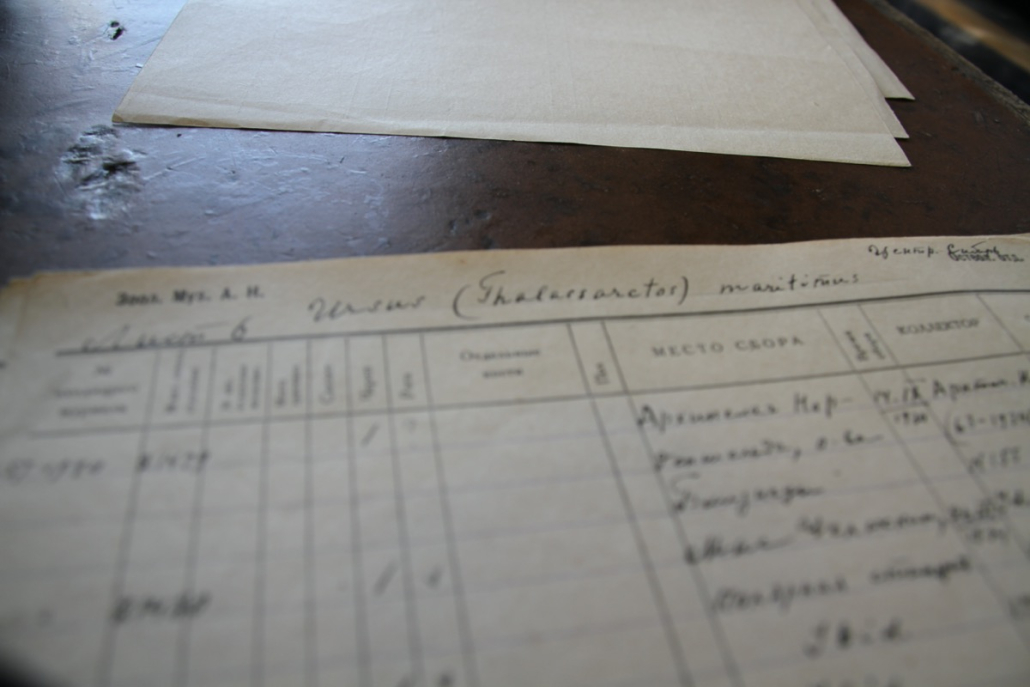
The polar bear collection reaches back to the heroic age of polar exploration in the mid-1800s. Most specimens date from the 1930s–1940s, when the Russian North was being explored under the Northern Sea Route development plan. The catalogue records donations by explorers including Alexander von Bunge, Leonid Starokadomsky and Boris Vilkitsky.
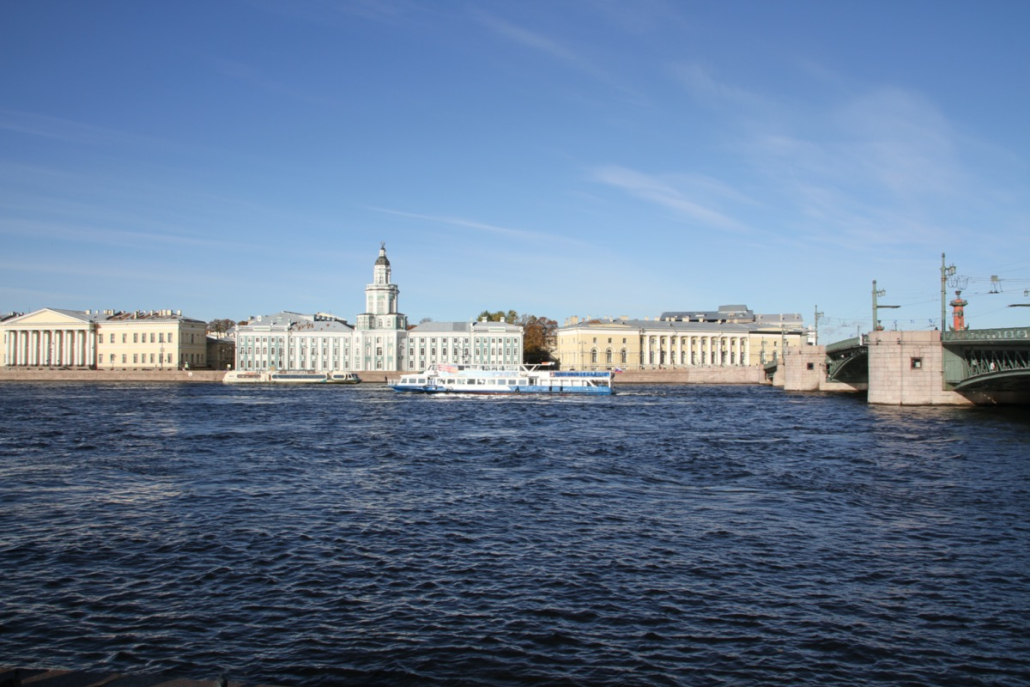
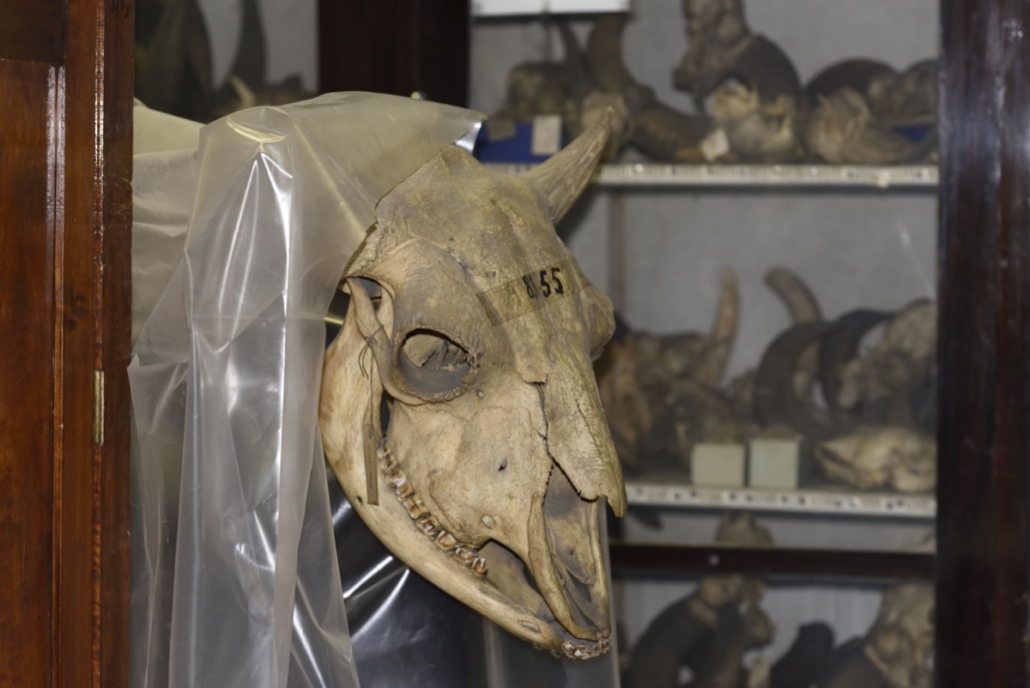
We were privileged to work within this institution for the following months.
2022October — November

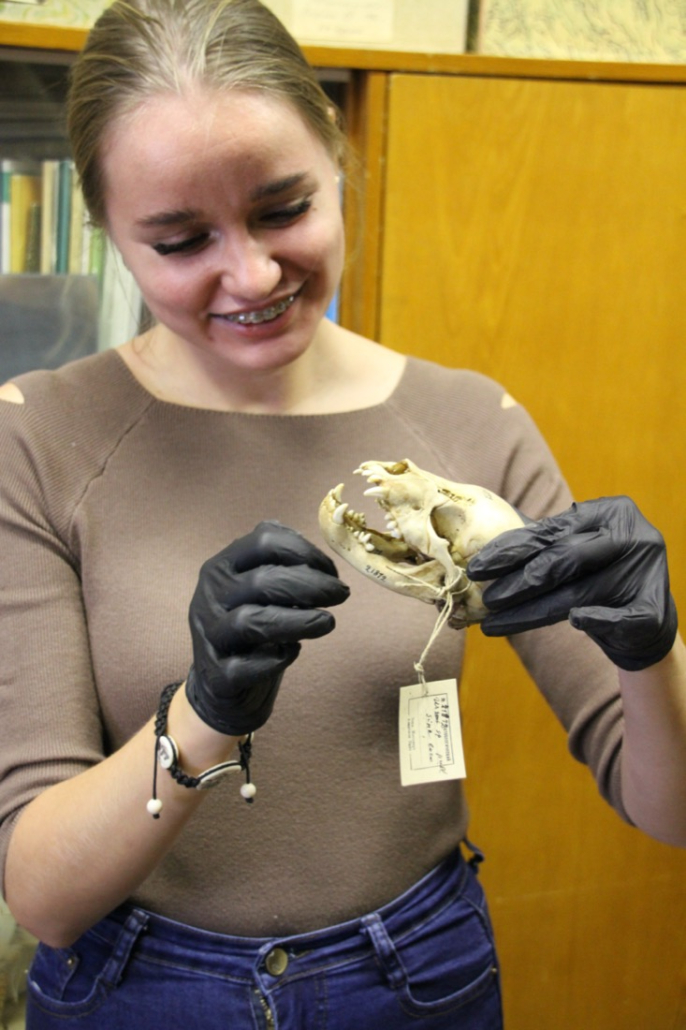
Sampling the archive

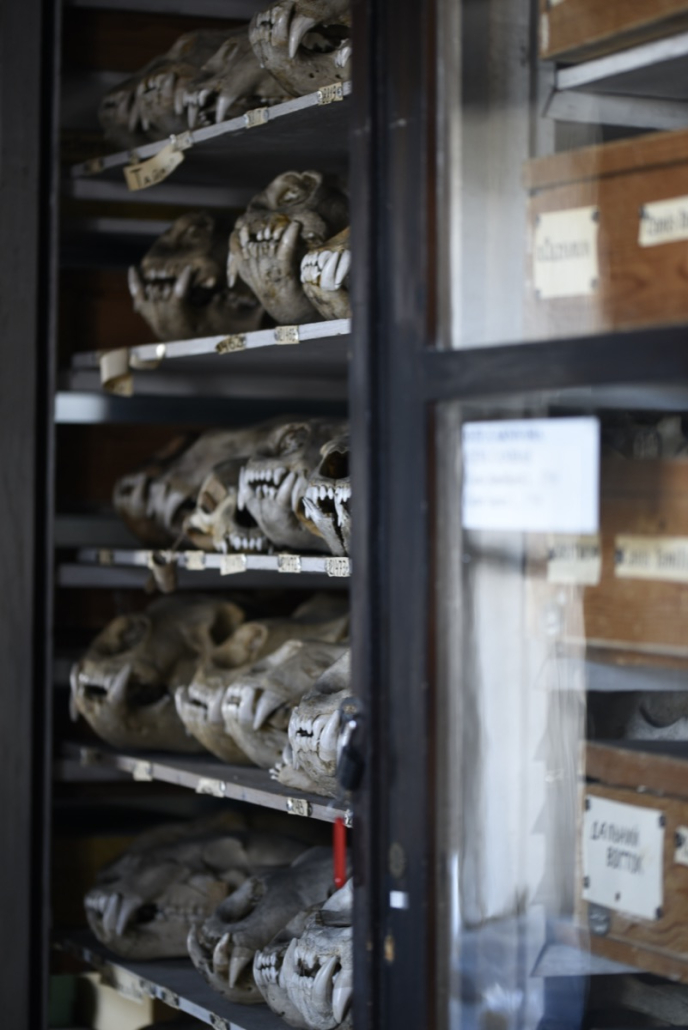
The collection mainly consists of complete bear skulls, sometimes accompanied by skeletons and skins. Skeletal remains can preserve DNA for hundreds of thousands of years; cranial base bone and teeth are especially valuable.
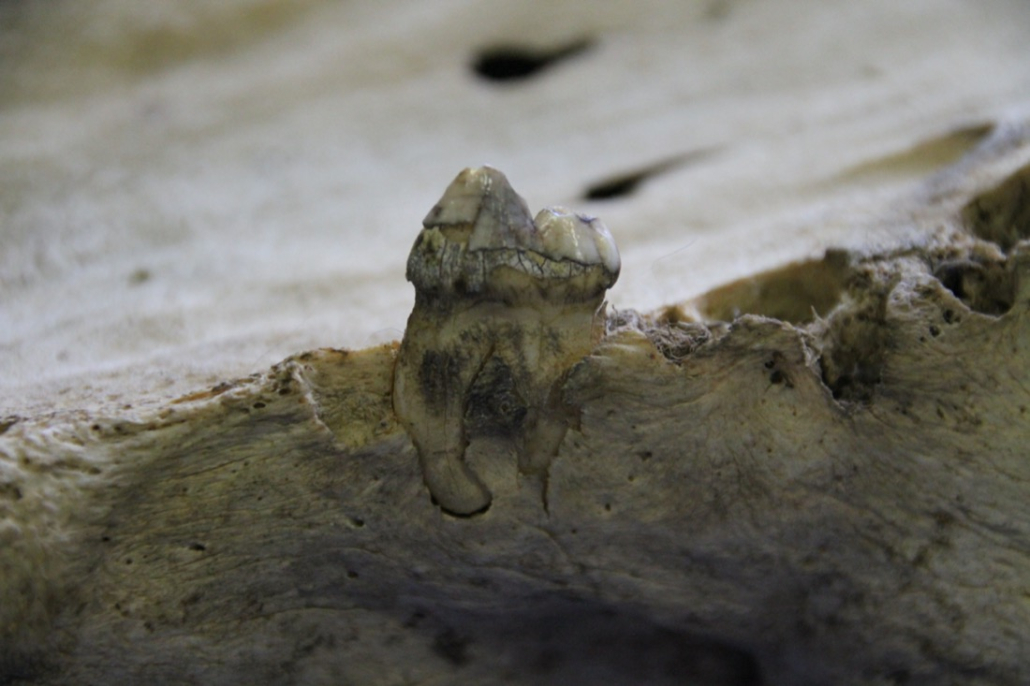
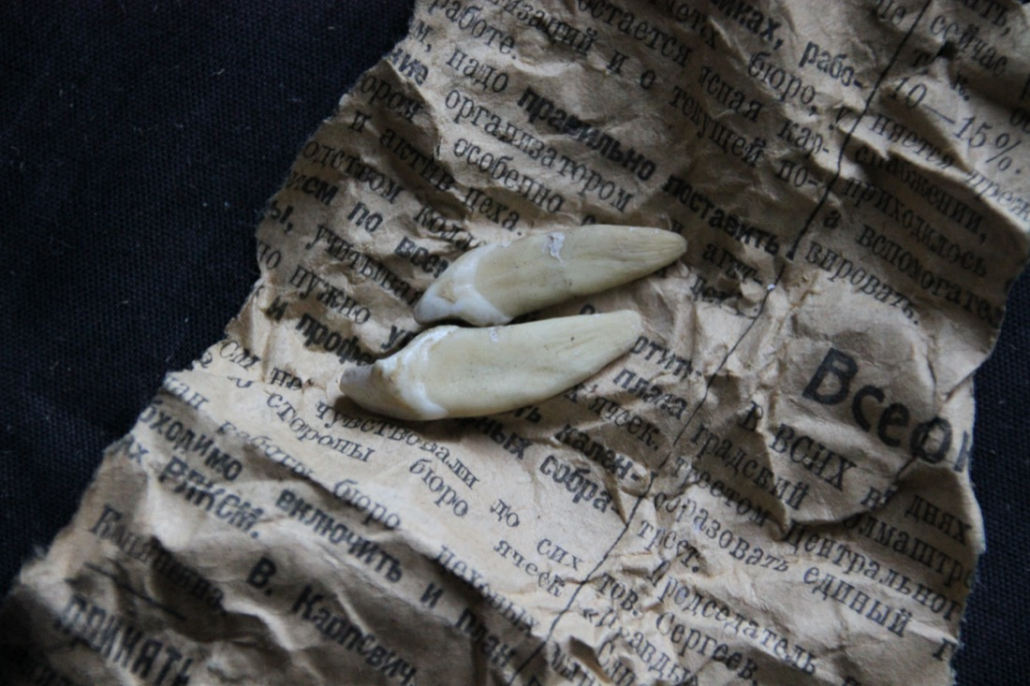
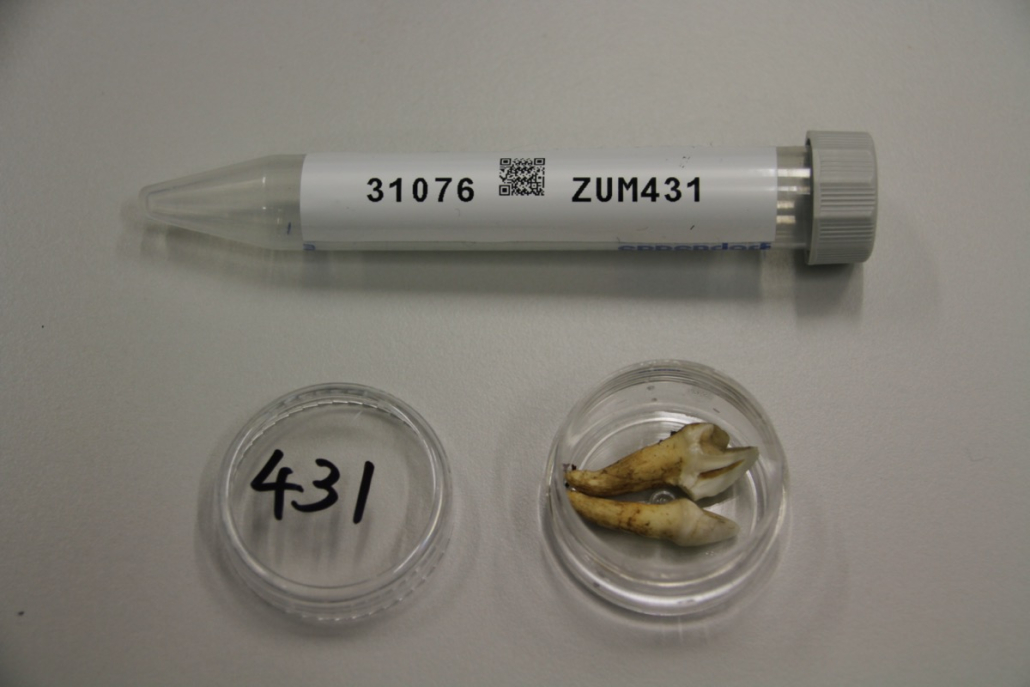
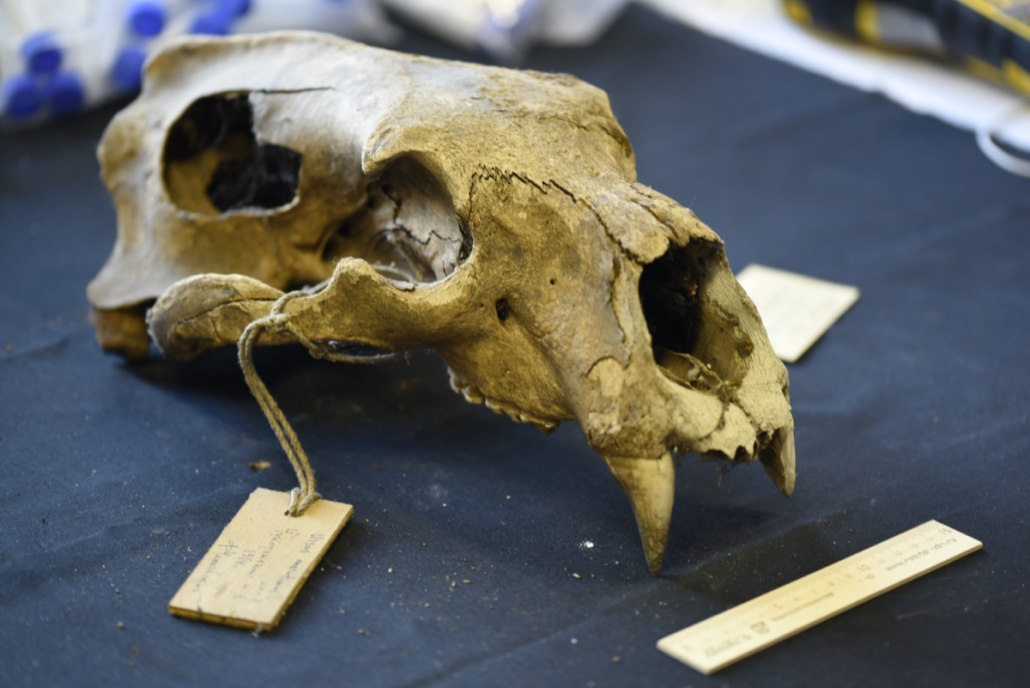
Teeth act like sealed boxes, with a lower risk of modern or environmental contamination. We therefore use single-rooted incisors and premolars. Each tooth is carefully removed with dental instruments supplied by MARKA dental clinic, barcoded and photographed together with its skull and catalogue information.

The collection contains more than 450 skulls, including specimens from Indigenous sacred sites and hunting trophies collected before the 1956 hunting ban. We chose a representative subset across geography and time.

2022November — December

Building a clean workflow

Extracting small quantities of degraded DNA from skeletal tissue is difficult. Short fragments must be separated from organic compounds that inhibit the enzymatic steps preceding sequencing, while characteristic lesions can introduce errors during DNA replication.

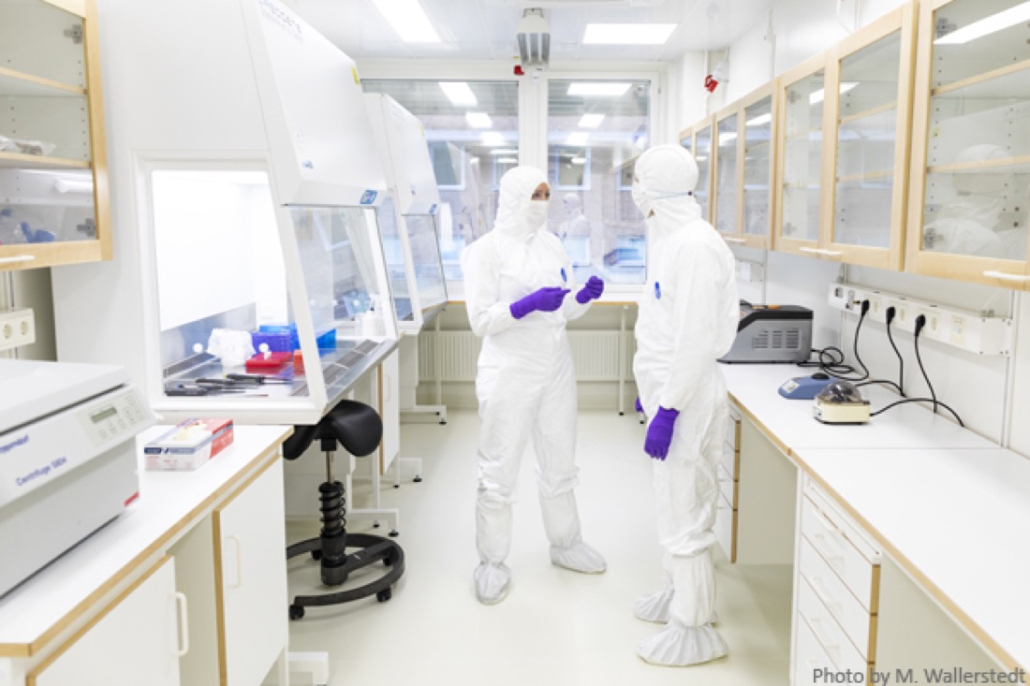
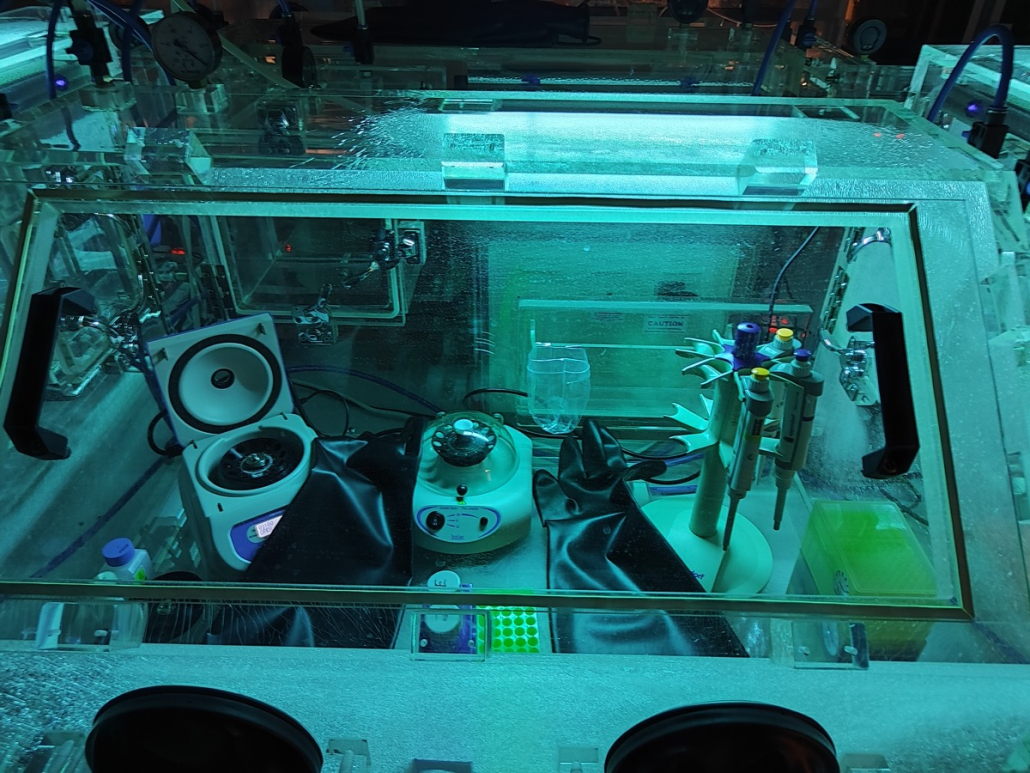
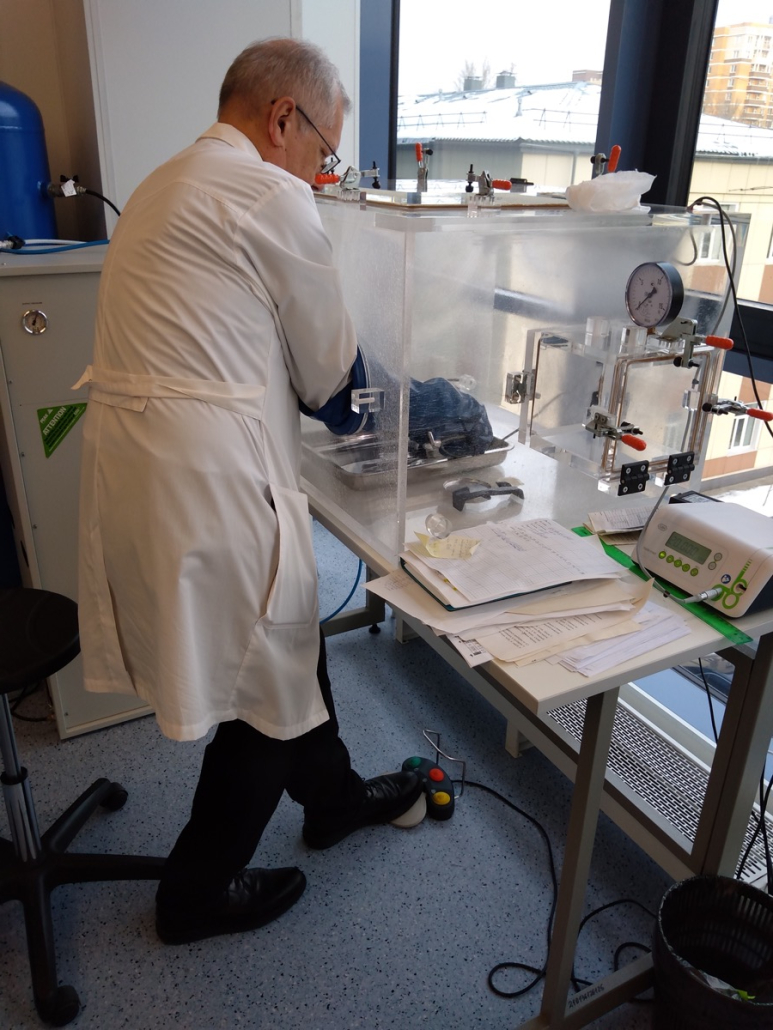
Ancient DNA is normally handled in costly clean rooms that require complete cleaning after every sample. The Historical Genetics Lab at MIPT uses an alternative: each procedure takes place in a clean glove box. The boxes are easier to operate, reduce contamination and make a safe processing “conveyor” possible.

With the current protocol and facility, one researcher can extract DNA from six samples per day while maintaining quality and avoiding cross-contamination.

2022December

From tooth to DNA library

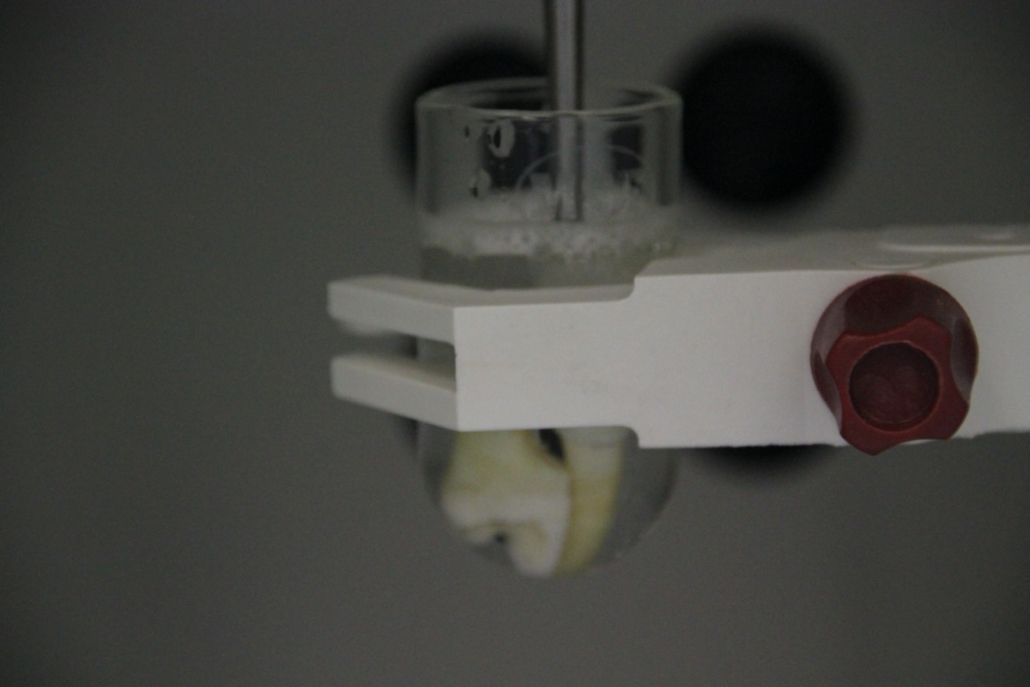
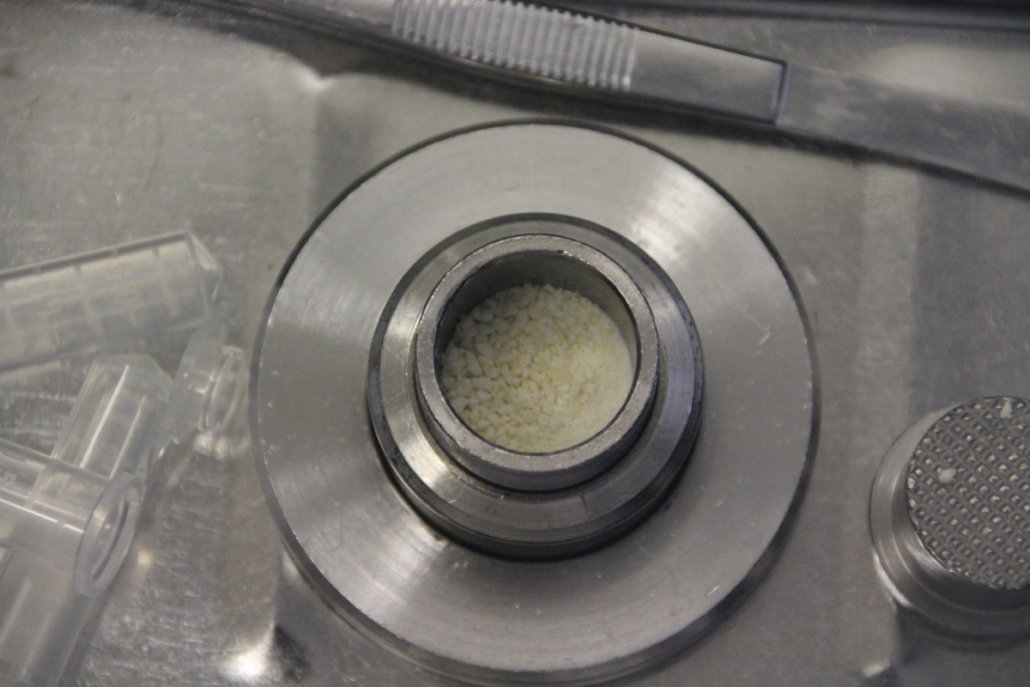
The process begins by removing dust, glue and chemicals from museum teeth. Samples are sonicated, treated with UV light and sterilised, then cut with dental drills. Small fragments are milled into powder, weighed and transferred to storage tubes.

DNA extraction and sequencing-library construction are performed in clean boxes. By the end of this phase, more than 100 samples of different origins and ages had been extracted. Two samples were selected for shallow whole-genome sequencing to evaluate contamination and the value of low-concentration libraries.

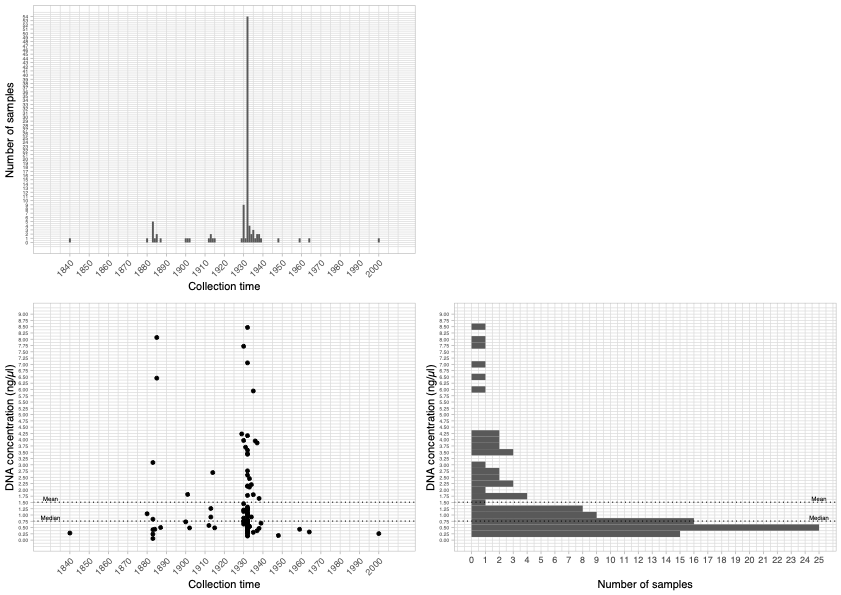
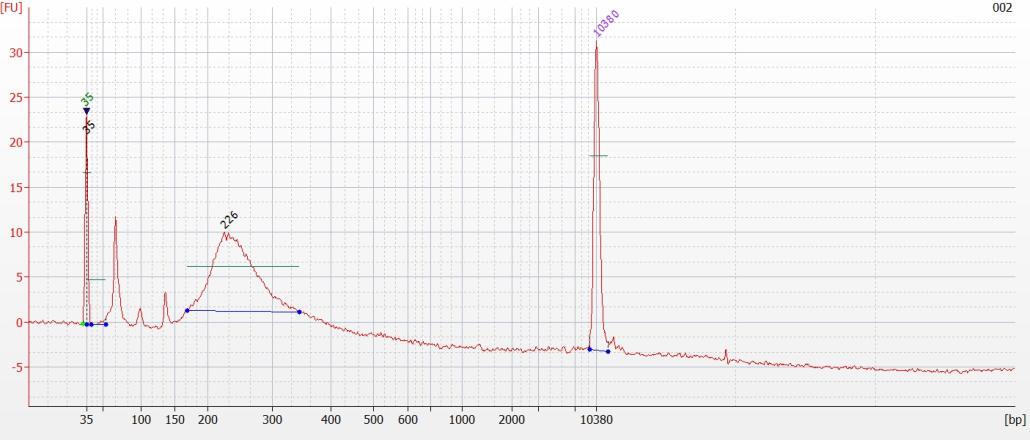
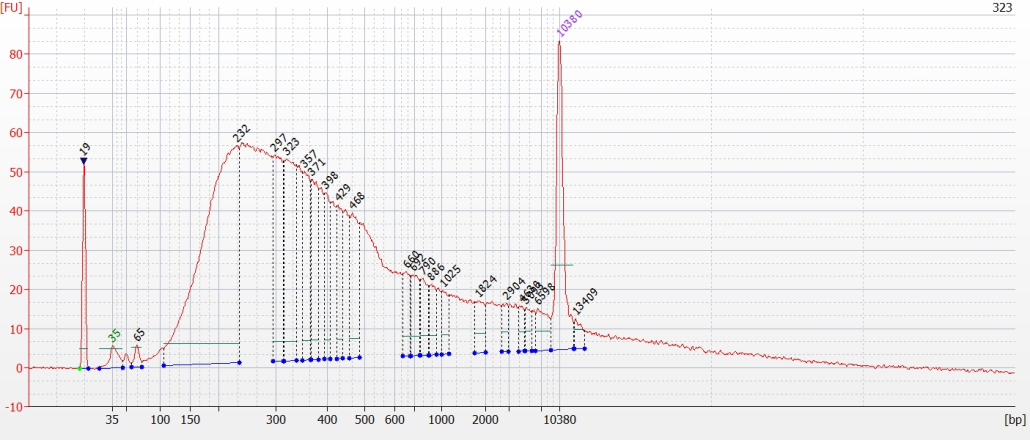
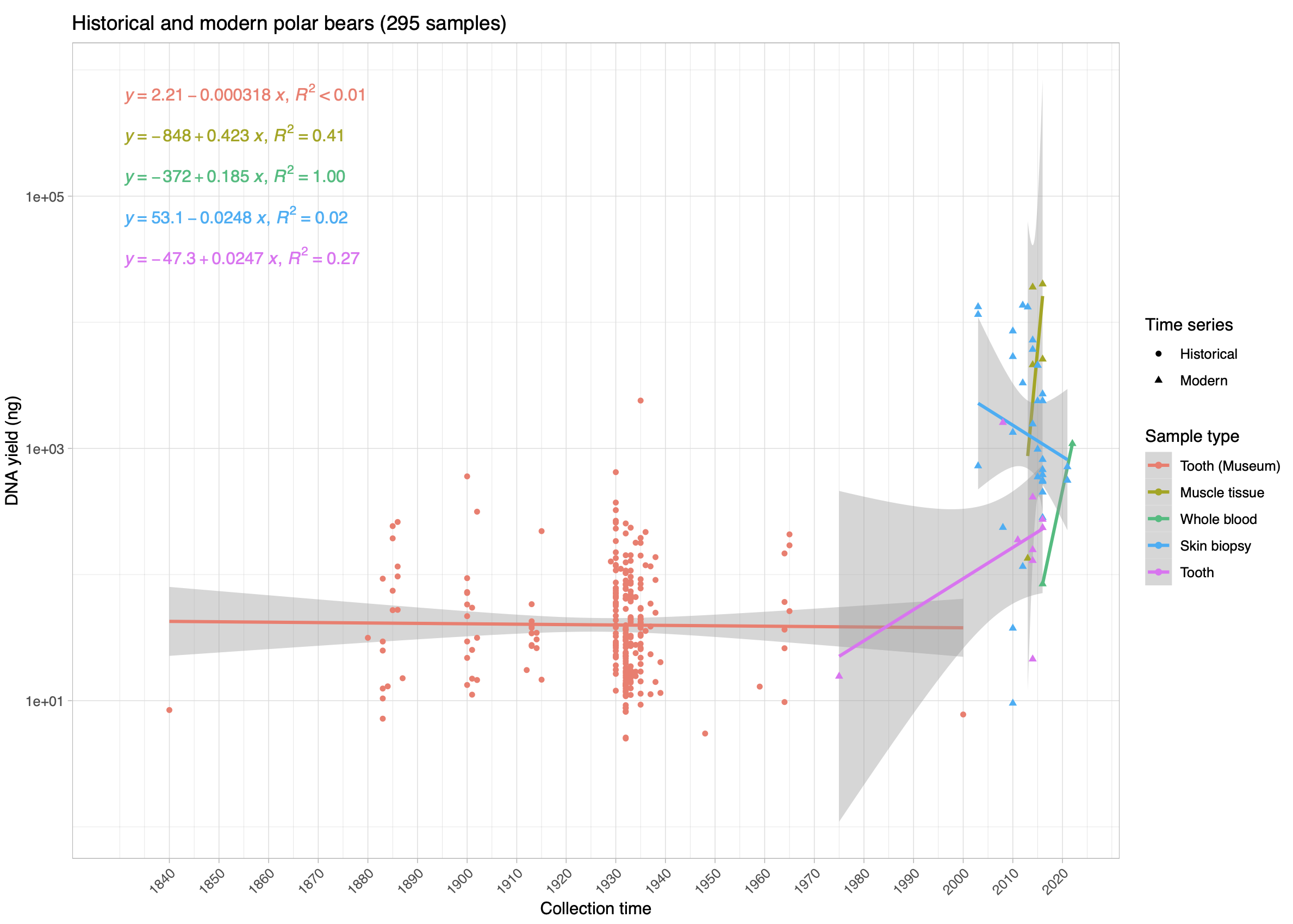
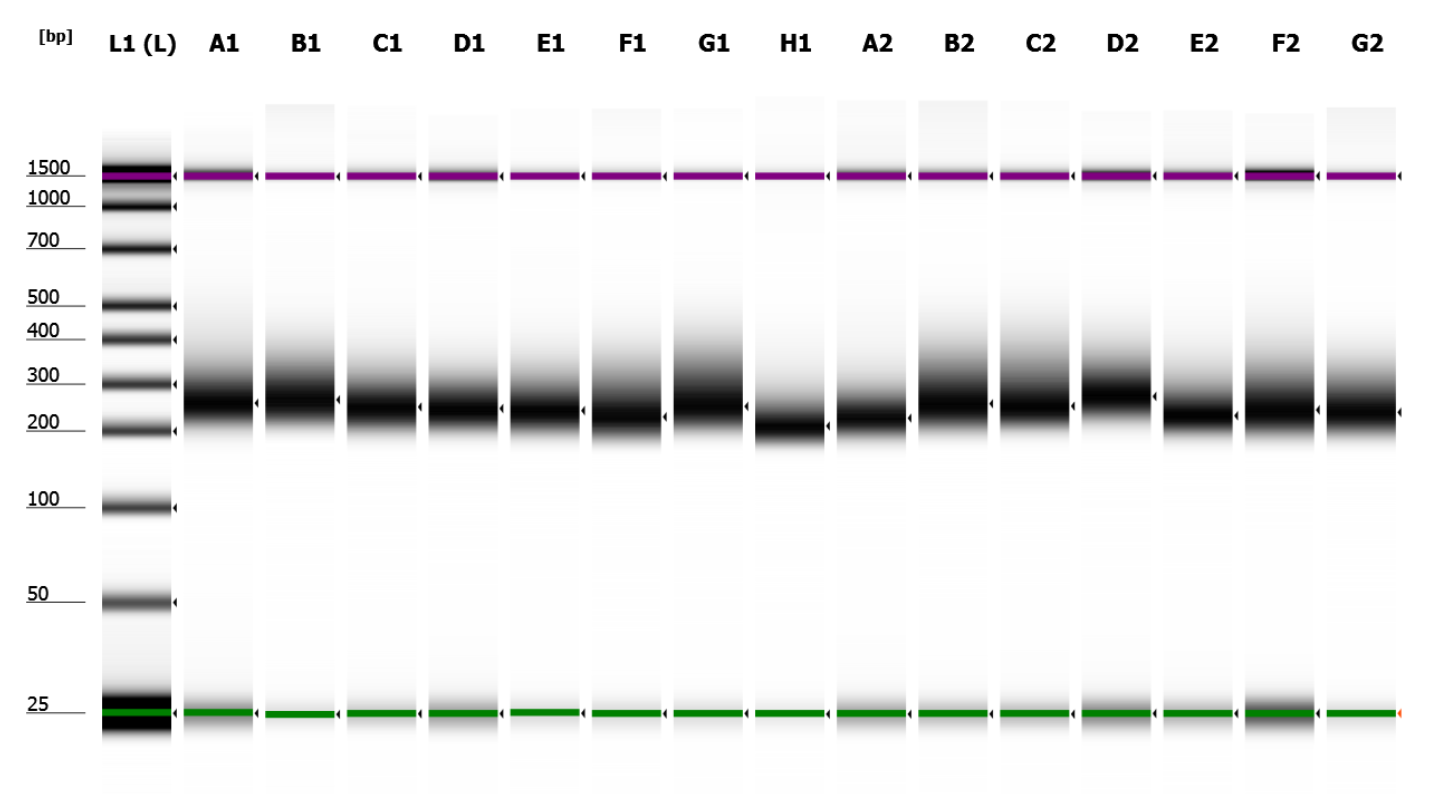
DNA yield across historical samples
2023January — February

Modern samples for comparison

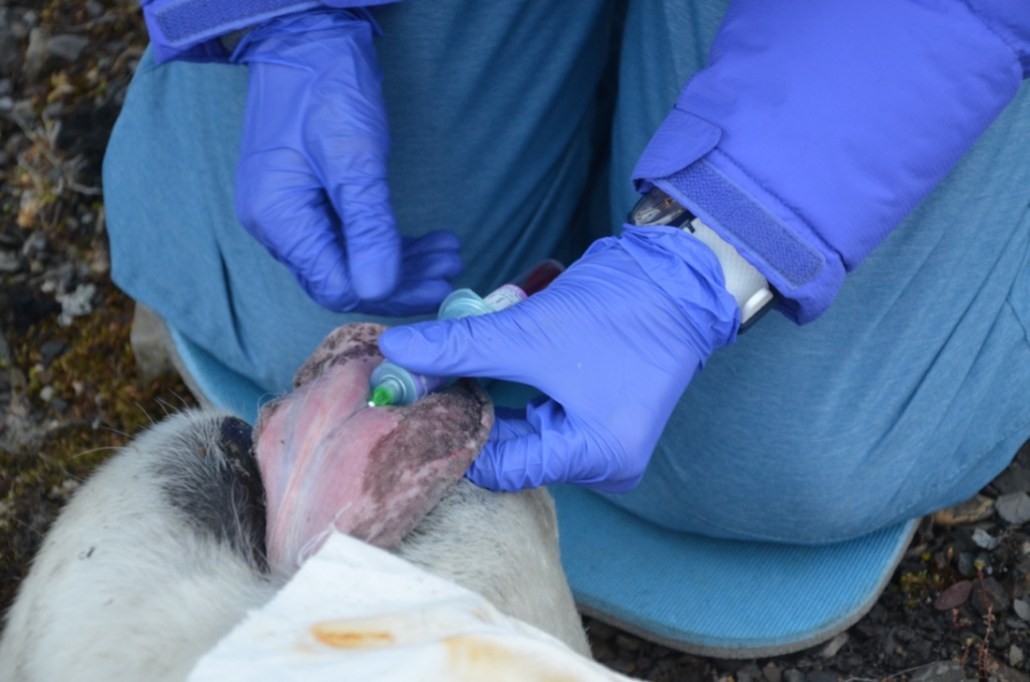
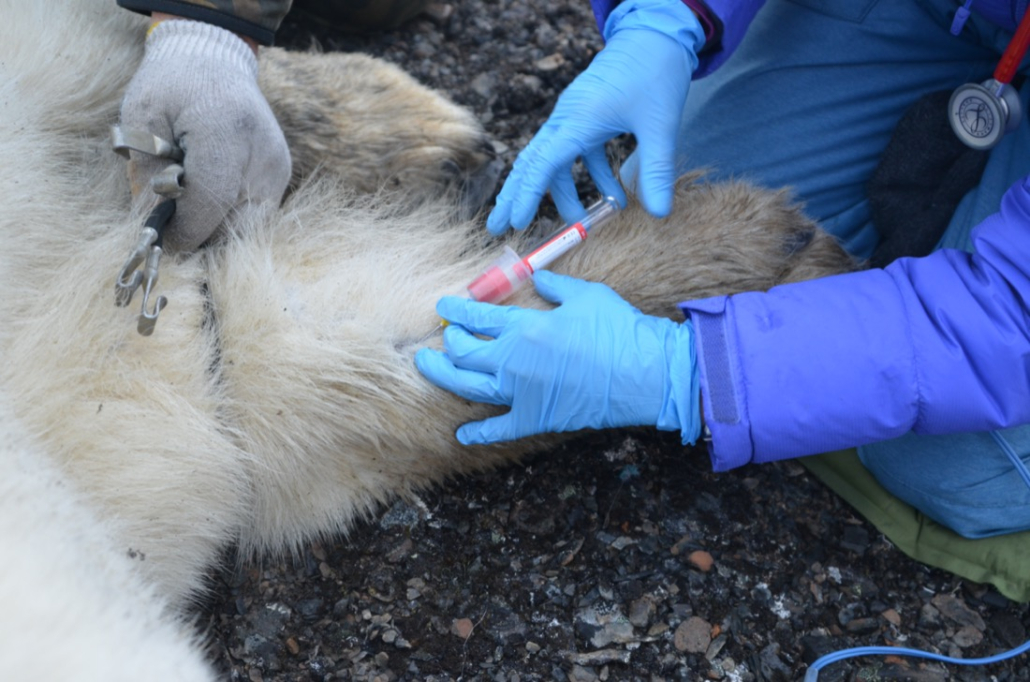
The project compares historical and modern polar bear DNA. Our collaborators at the Marine Mammal Research and Expedition Centre supplied teeth and tissue samples — blood, muscle and skin — collected primarily from living animals across the Russian Arctic.

2023March

First sequencing results

The first sequencing run tested our library protocol, measured contamination and examined whether low-concentration samples could provide useful results without enrichment.

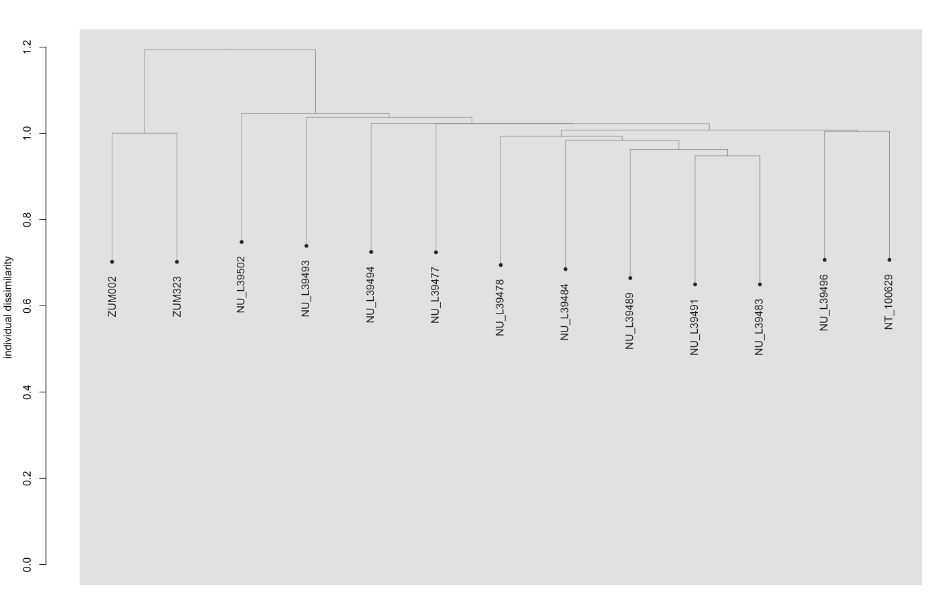
We sequenced ZUM002, collected on Novaya Zemlya in 1883, and ZUM323, collected in the Kara Sea in 1930. After filtering low-quality reads, 62.2% of ZUM002 fragments and 98.6% of ZUM323 fragments aligned to the polar bear genome. At 3× or greater coverage, they represented 9% and 21% of the genome respectively.

A preliminary comparison with ten Canadian polar bear samples revealed a clear distinction between the Russian historical specimens and published data — an encouraging early result.

Genetic comparison of historical Russian and Canadian polar bears
2023April

Testing the hyRAD approach

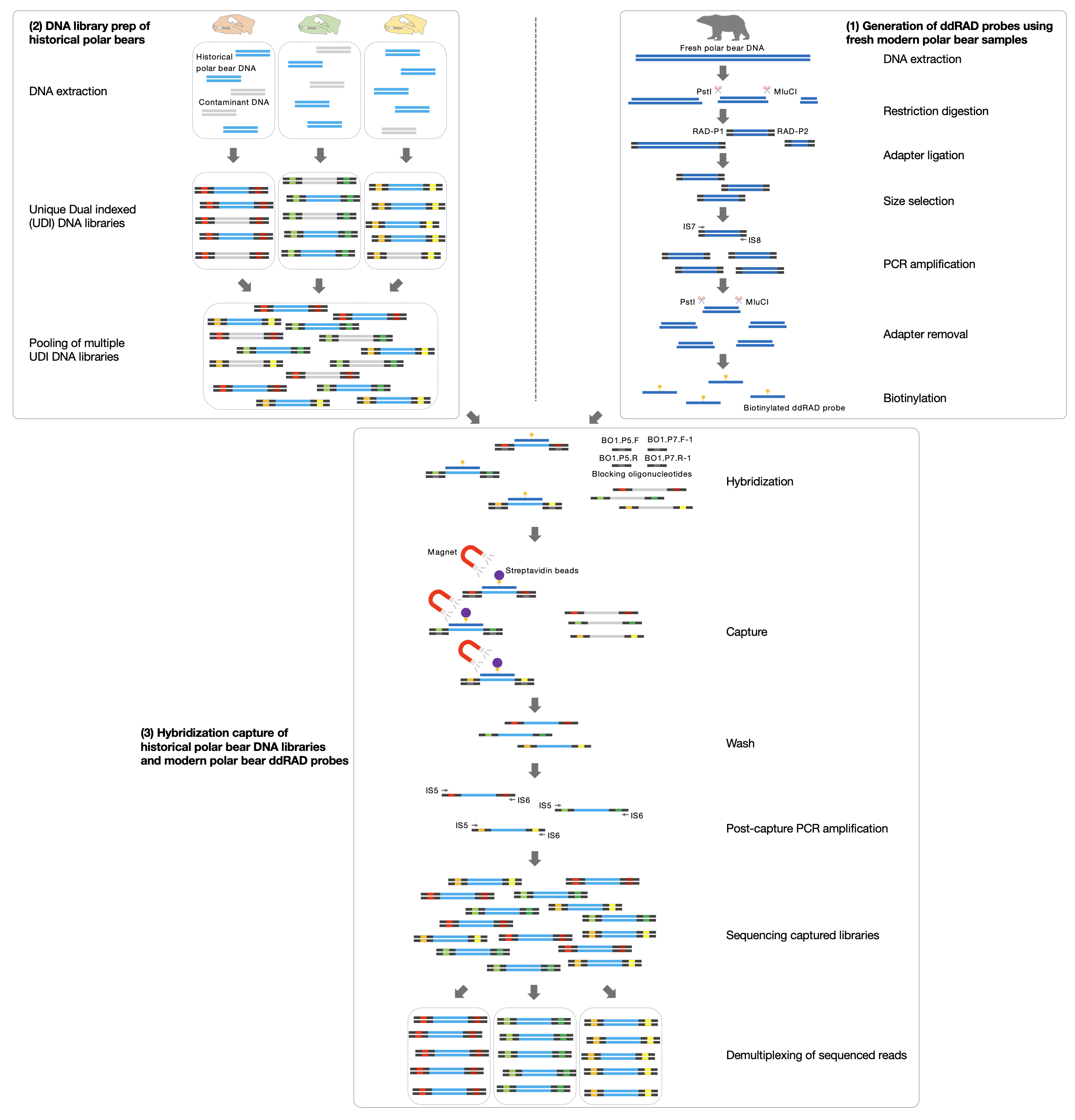
Museum samples are invaluable but often contain degraded DNA. The hyRAD protocol was designed to sequence reduced-genome subsets in non-model organisms using fresh-sample ddRAD fragments as capture probes for historical libraries.

This can recover large sets of homologous loci without prior genome information, but the experimental protocol is demanding. We followed the approach of Suchan et al., with modifications developed for our material.

2023May — June

Three hundred extractions completed

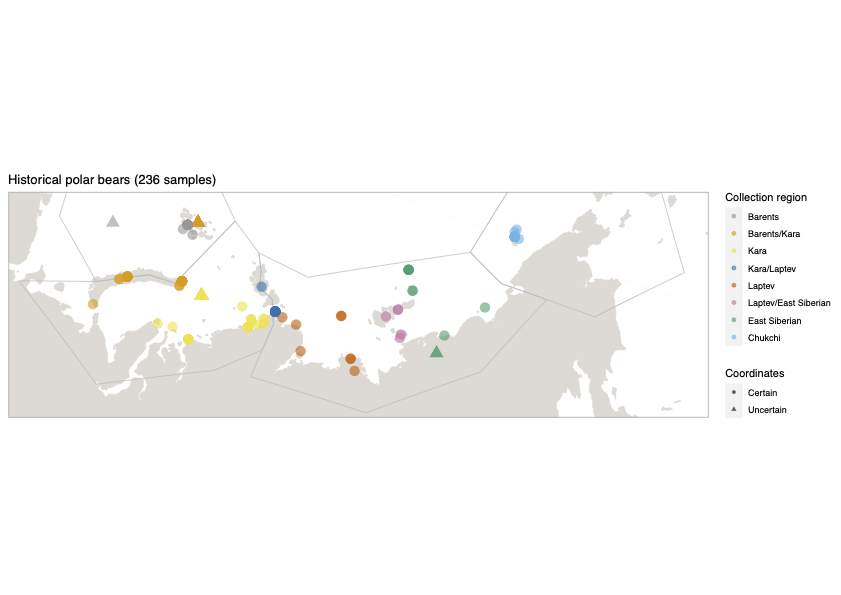
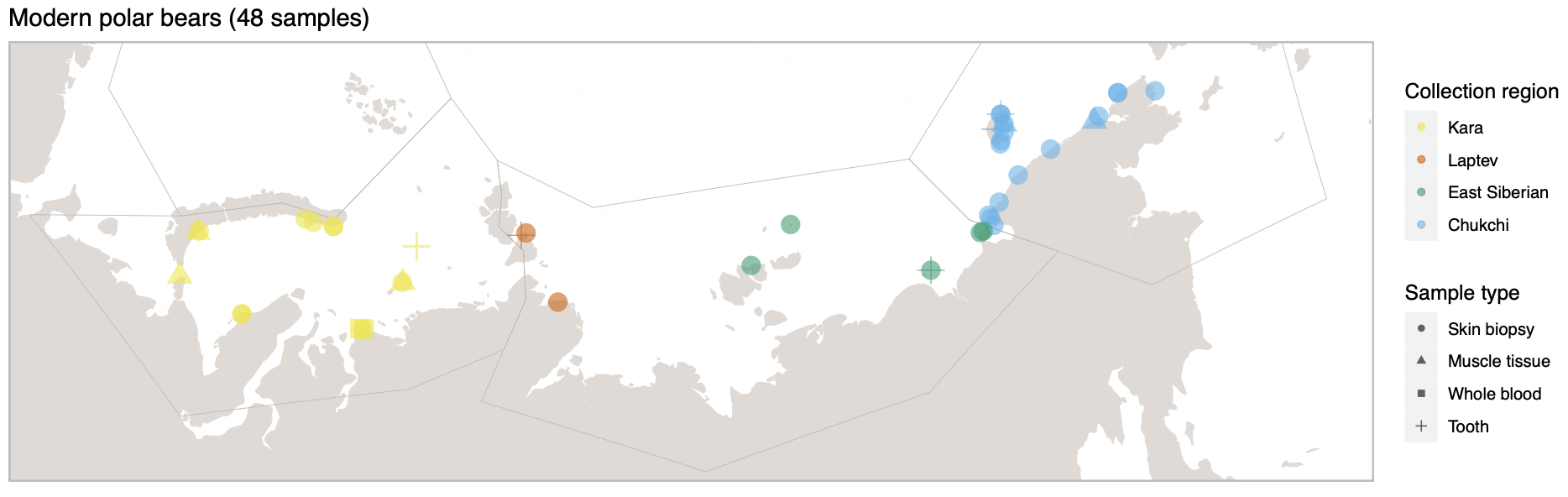
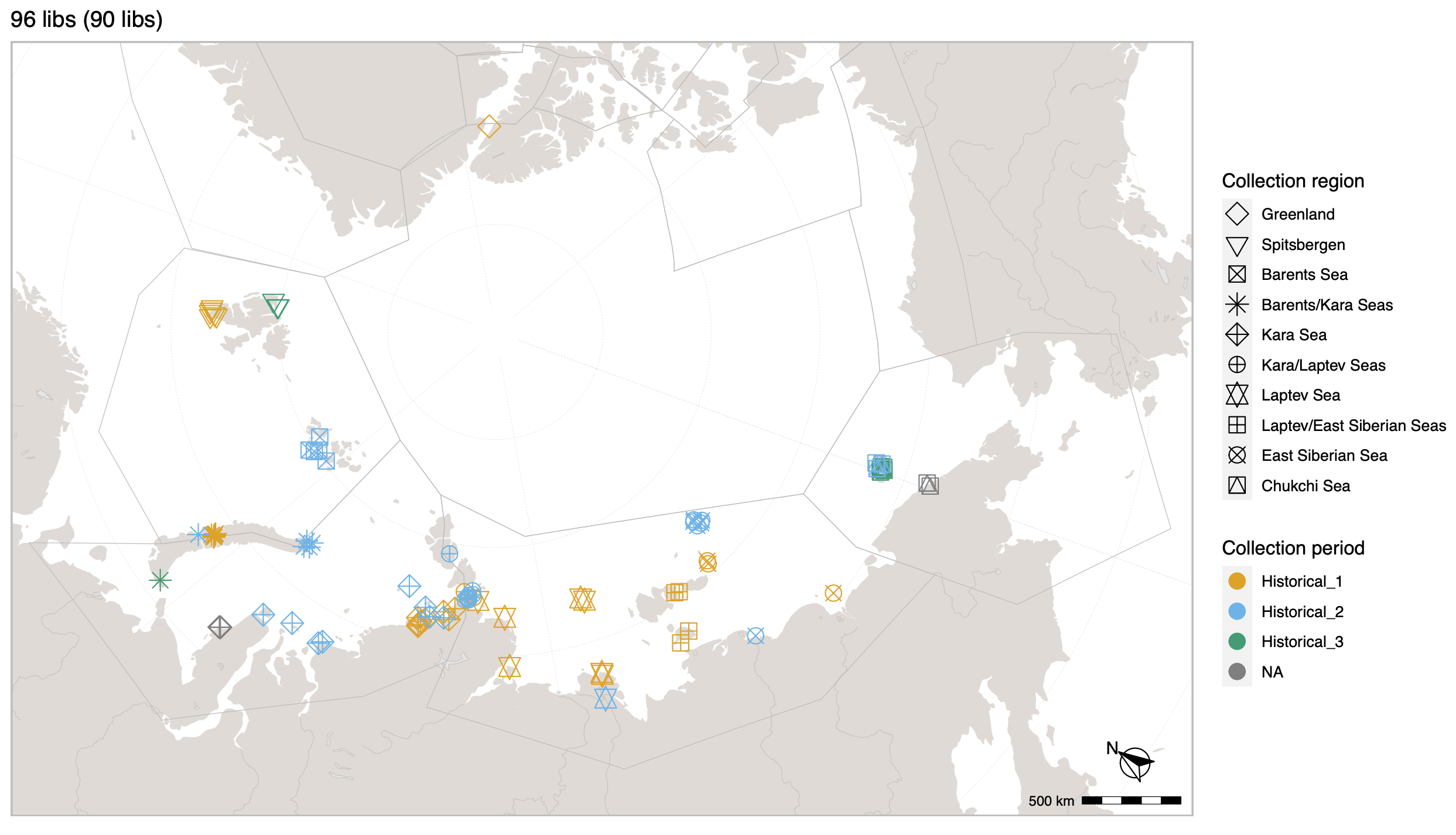
DNA extraction was completed for all 252 historical museum teeth and 48 modern samples — muscle, whole blood, skin biopsies and teeth collected between 1975 and 2022 from Novaya Zemlya to the Chukchi Peninsula. The modern material was provided by Dr Andrei Boltunov of the Marine Mammal Research and Expedition Centre.

Map of 48 modern polar bear samples across the Russian Arctic
2023August

Quality control

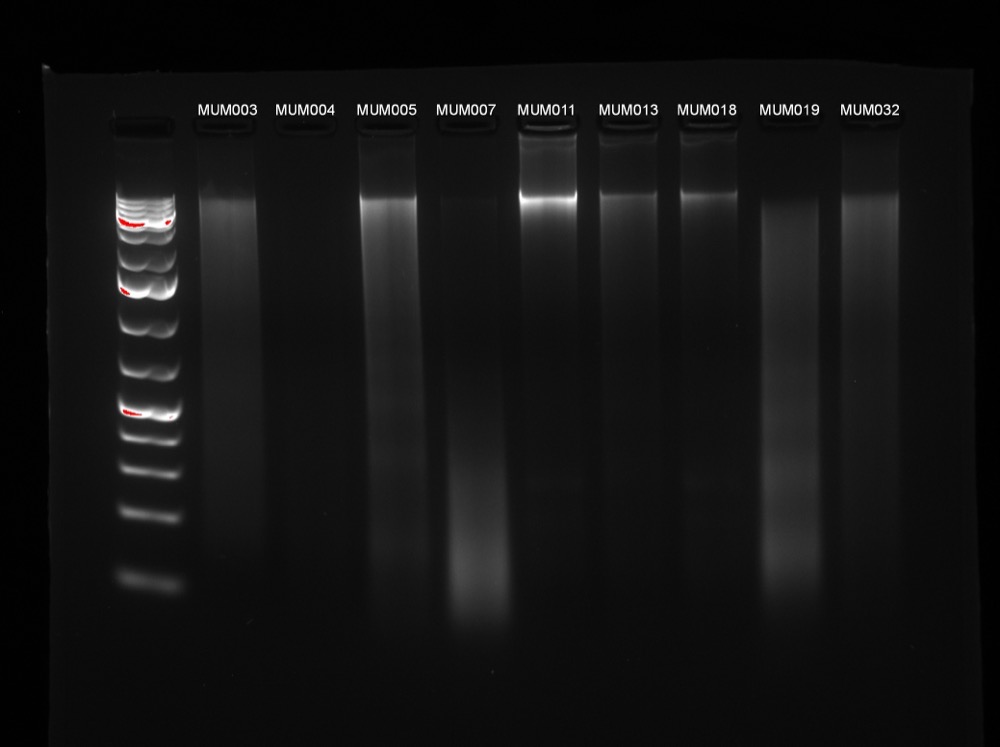
Every historical and modern extraction underwent quality control for DNA concentration, degradation and purity.

2023July — October

Changing course to low-coverage genomes

hyRAD combines ddRAD probes from fresh samples, historical DNA libraries and hybridisation capture. After repeated attempts to establish reliable ddRAD probe conditions, we decided to discontinue this route.

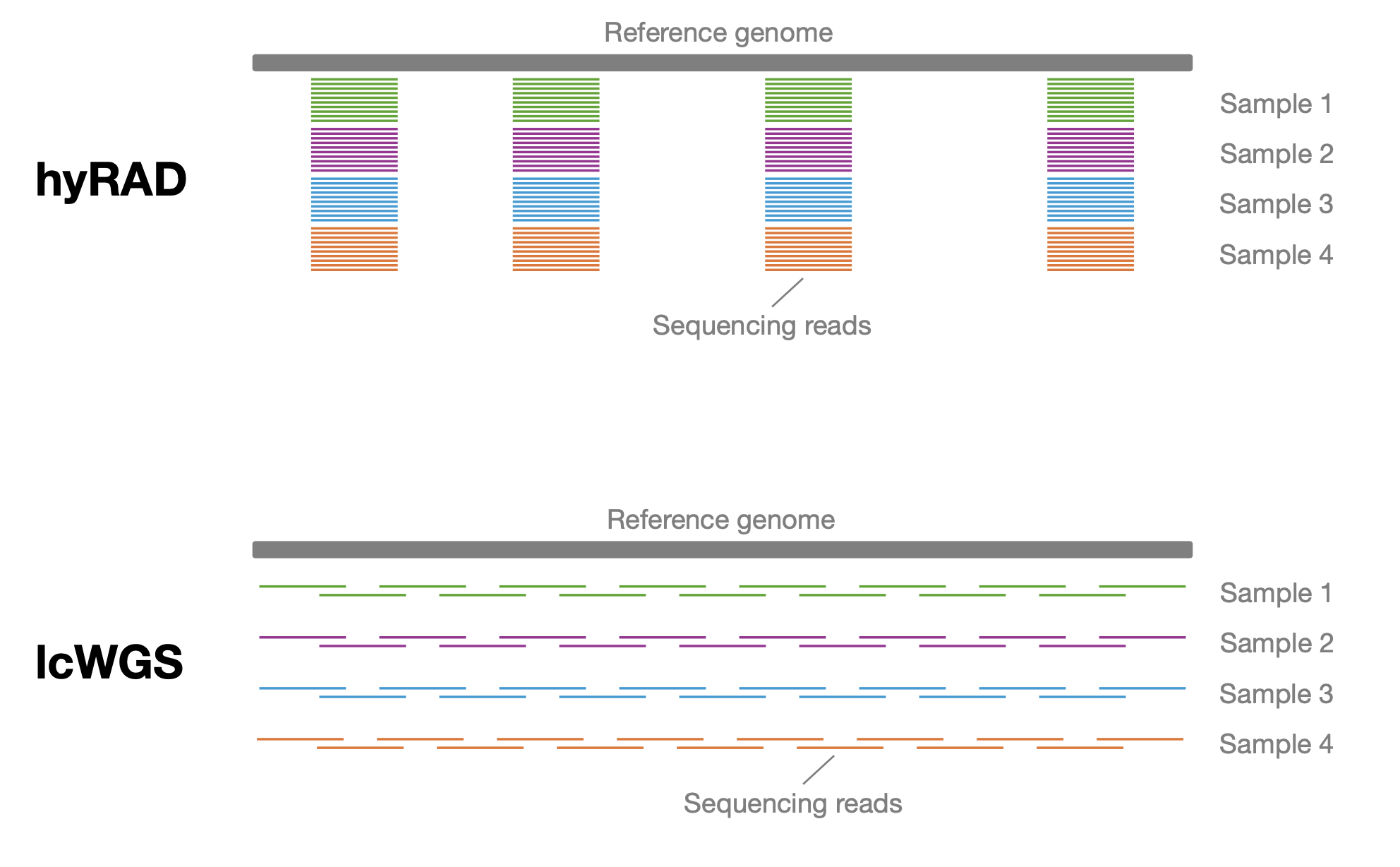
Instead, we adopted low-coverage whole-genome sequencing (lcWGS). hyRAD can deliver high coverage at a targeted set of loci across many samples; lcWGS surveys many more loci distributed throughout the genome, although at lower read depth and for fewer samples.

2023November — January 2024

Selecting libraries for sequencing

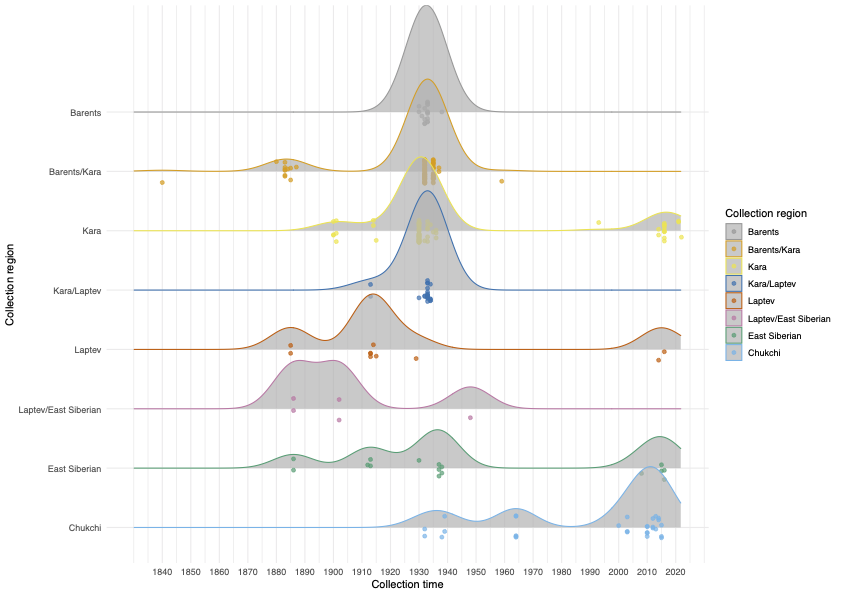
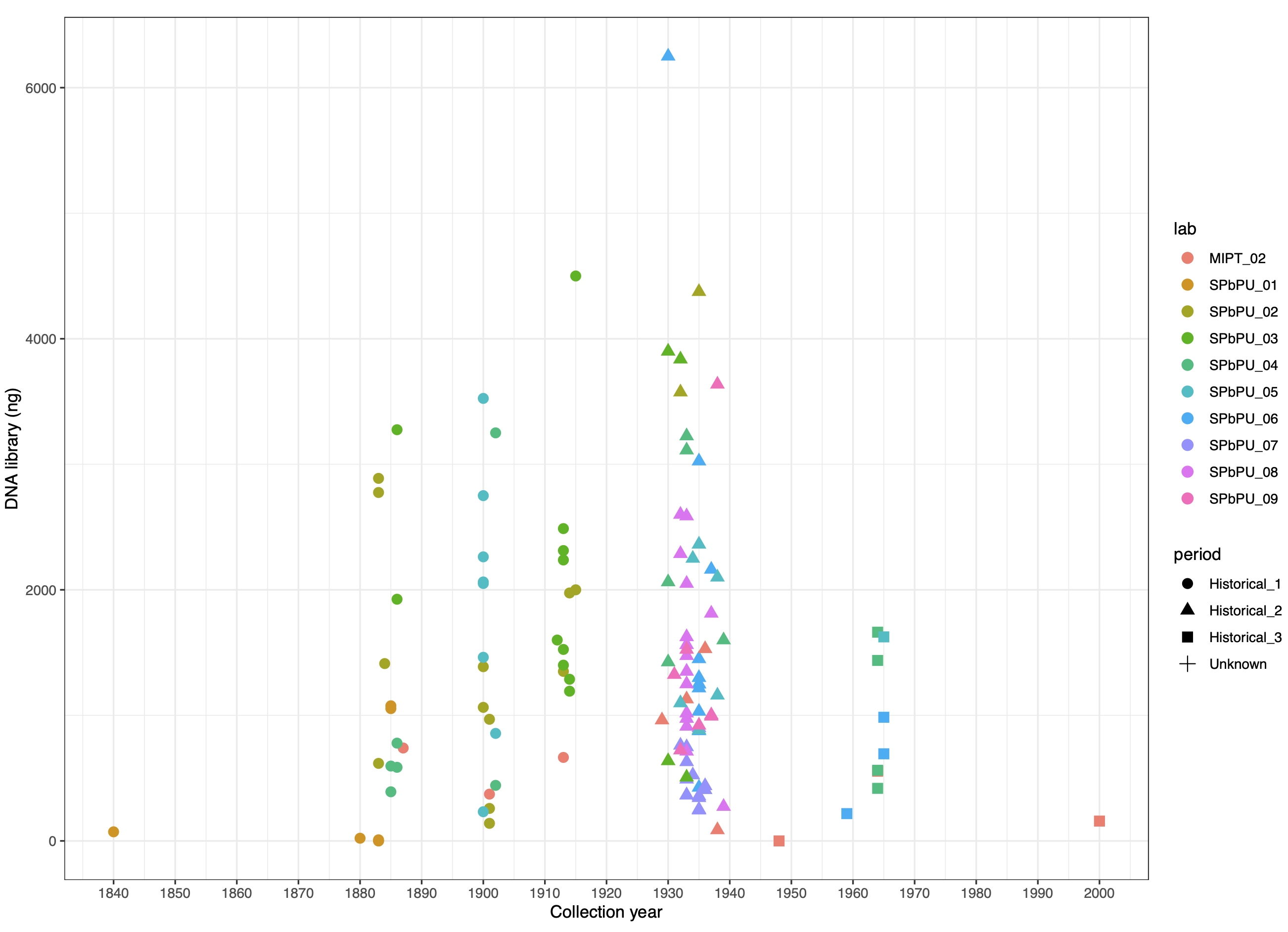
From 252 historical extractions, 131 samples were selected for library preparation based on DNA yield, geography and collection date. Concentration, fragment size and quality were measured; libraries containing primer or adapter dimers were purified with magnetic beads. In total, 118 libraries met the quality and quantity requirements for sequencing.

Collection dates of 131 selected historical polar bear libraries
2024January — February

Ninety-six libraries sequenced

The historical libraries were sent to Genetico in Moscow. A second quality-control pass confirmed that all 118 were ready; 96 were then selected to balance fragment size, geography and collection date.

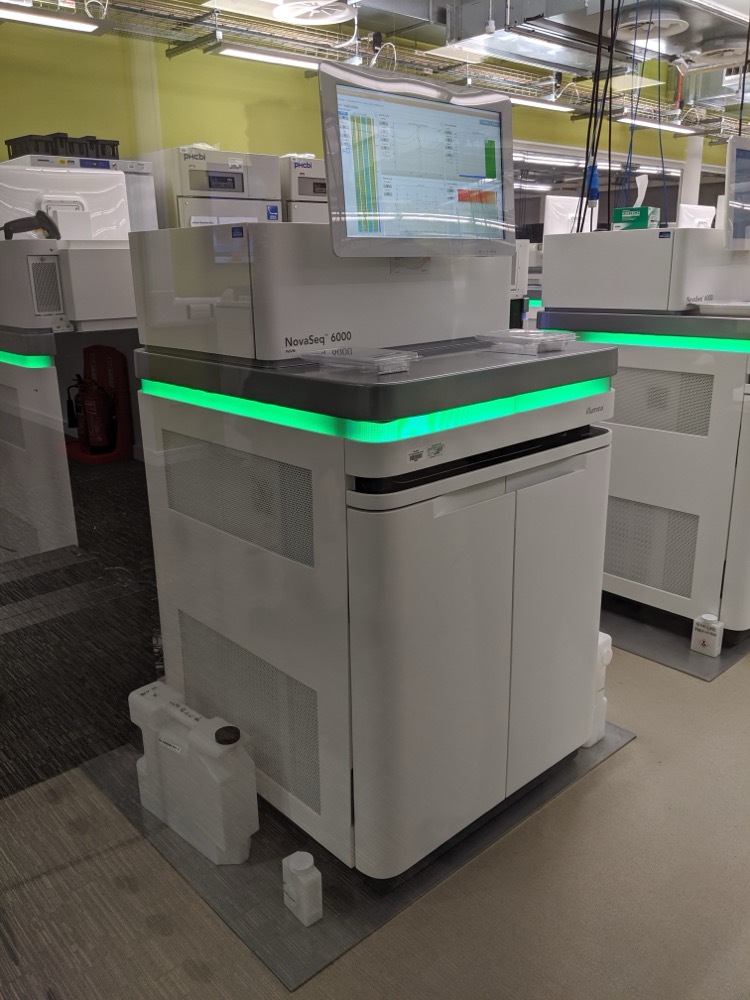
Sequencing was performed on an Illumina NovaSeq 6000 with S2 chemistry in paired-end 2×100 mode.

Illumina NovaSeq 6000 sequencing system
NovaSeq 6000 · image via Wikimedia Commons
2024March — May

Reading damage, contamination and population history

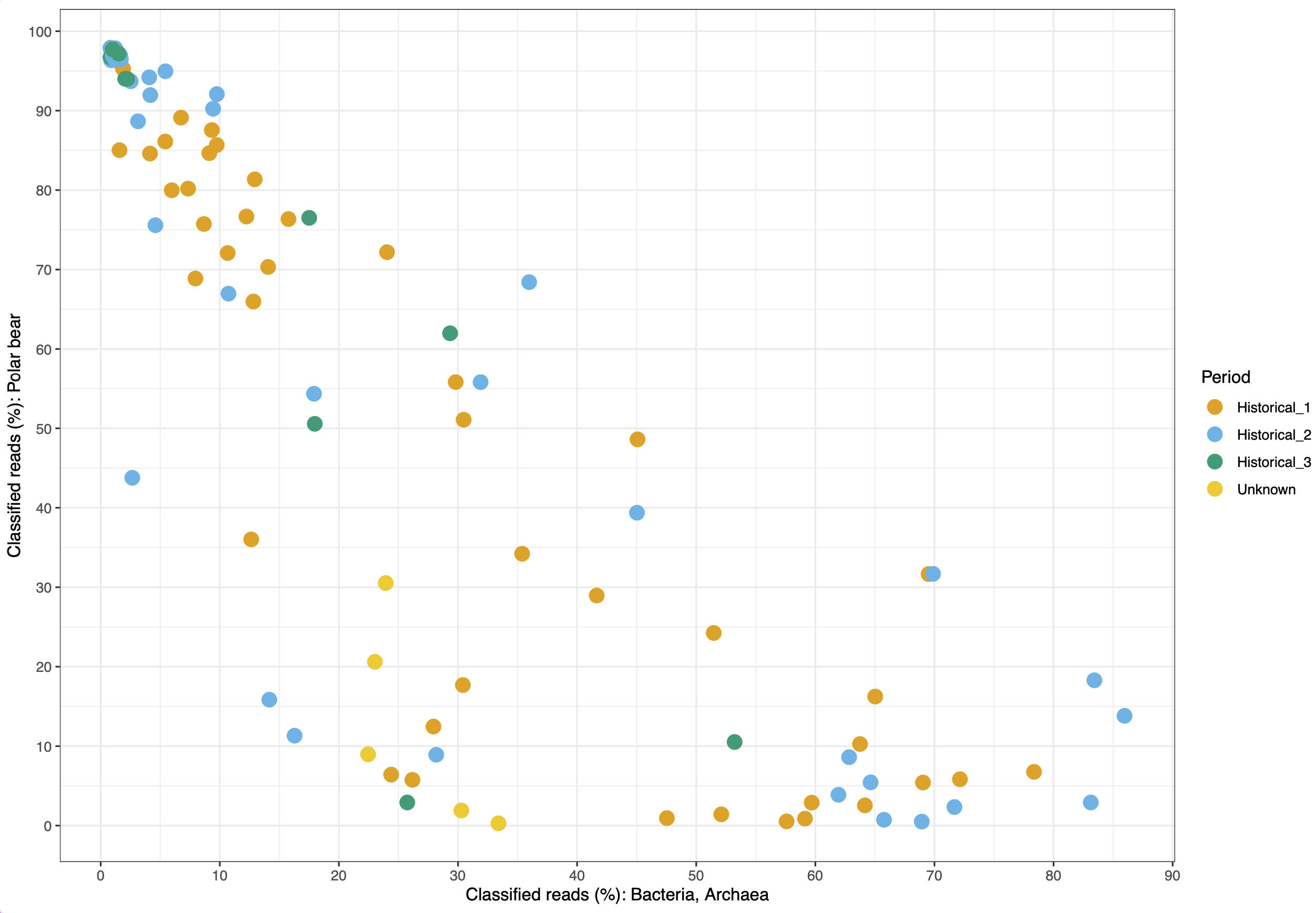
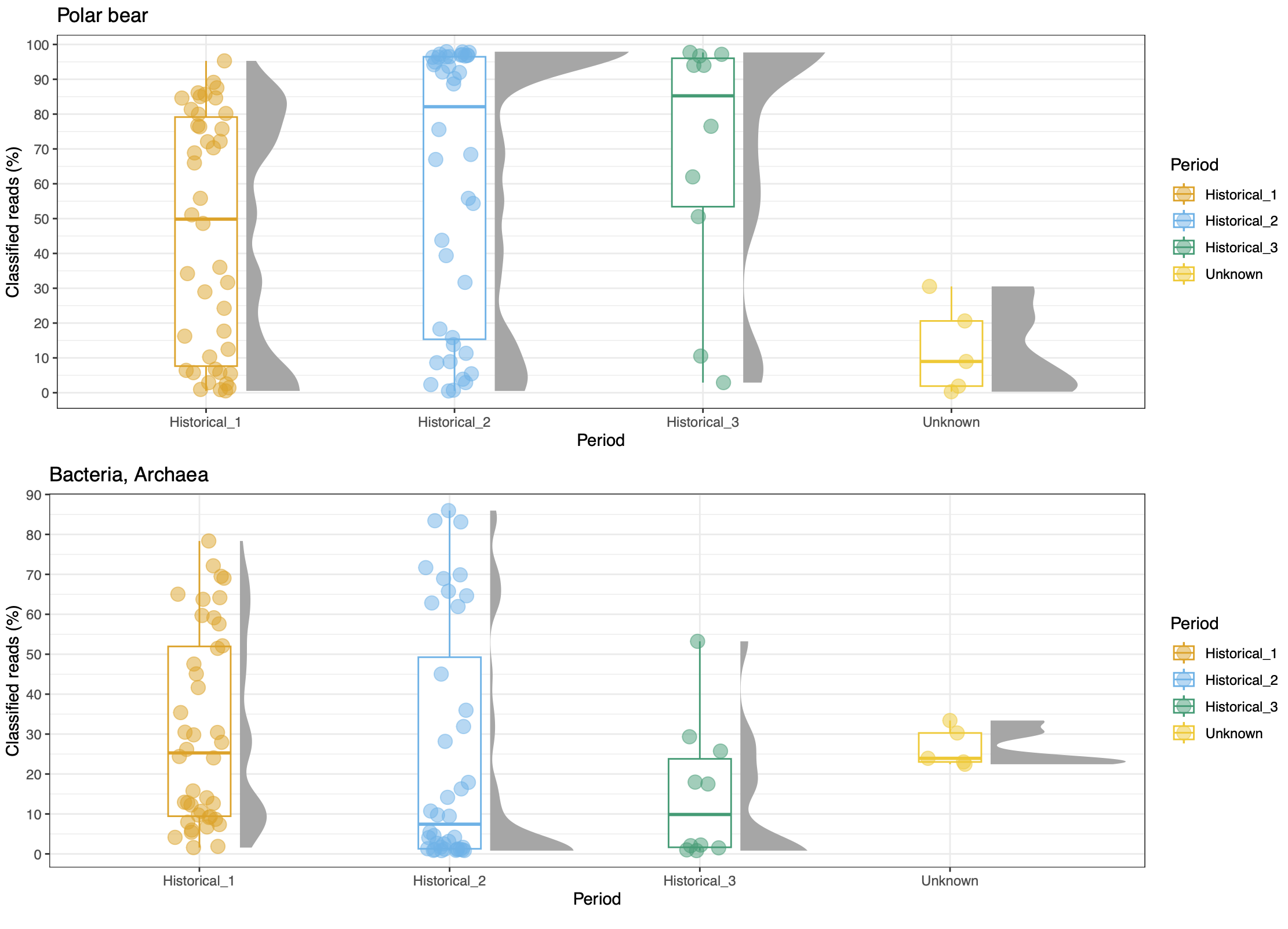
We began by measuring exogenous bacterial and archaeal contamination against endogenous polar bear DNA. Results varied among samples, with older specimens generally showing more exogenous DNA and less polar bear DNA.

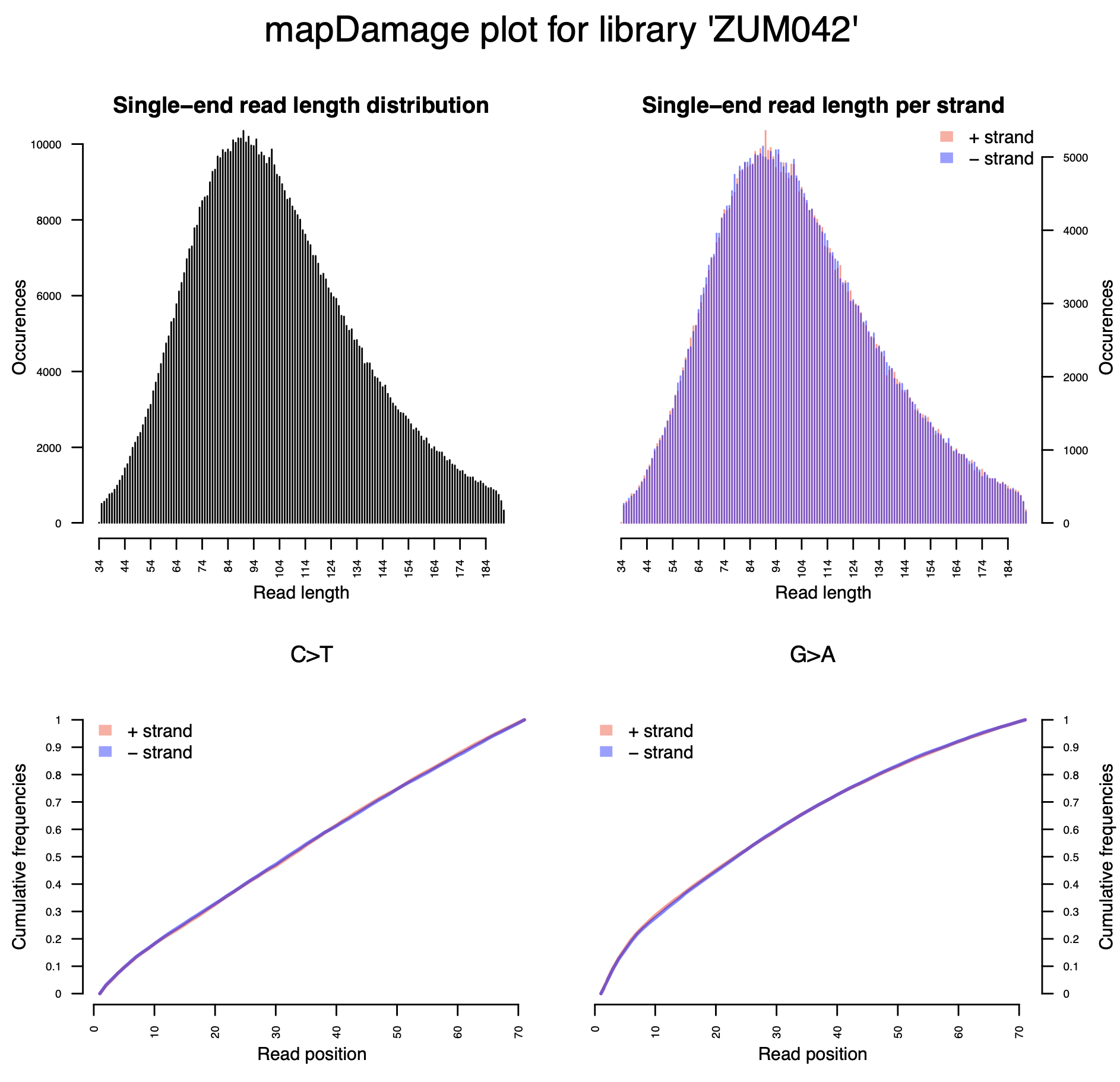
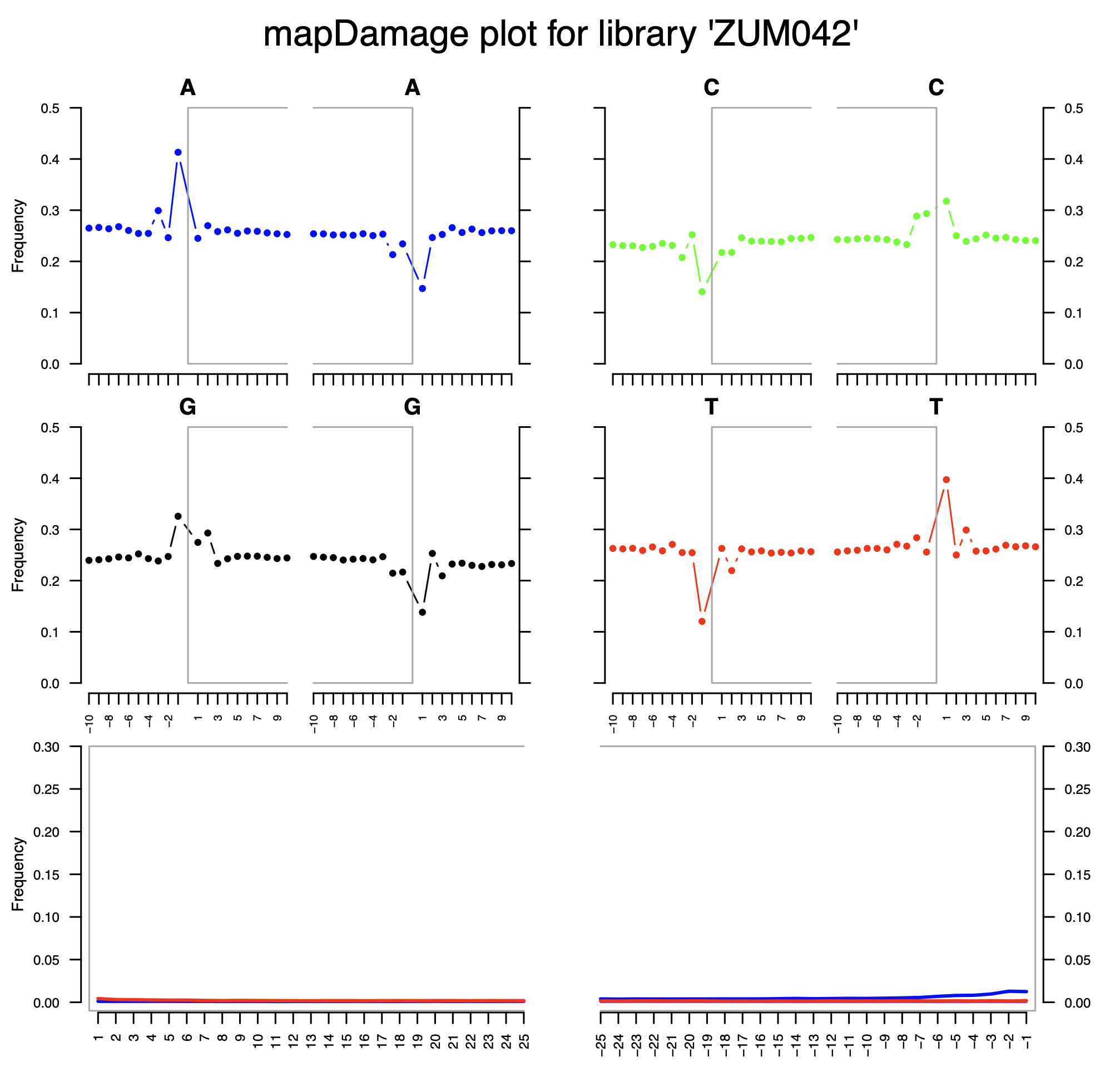
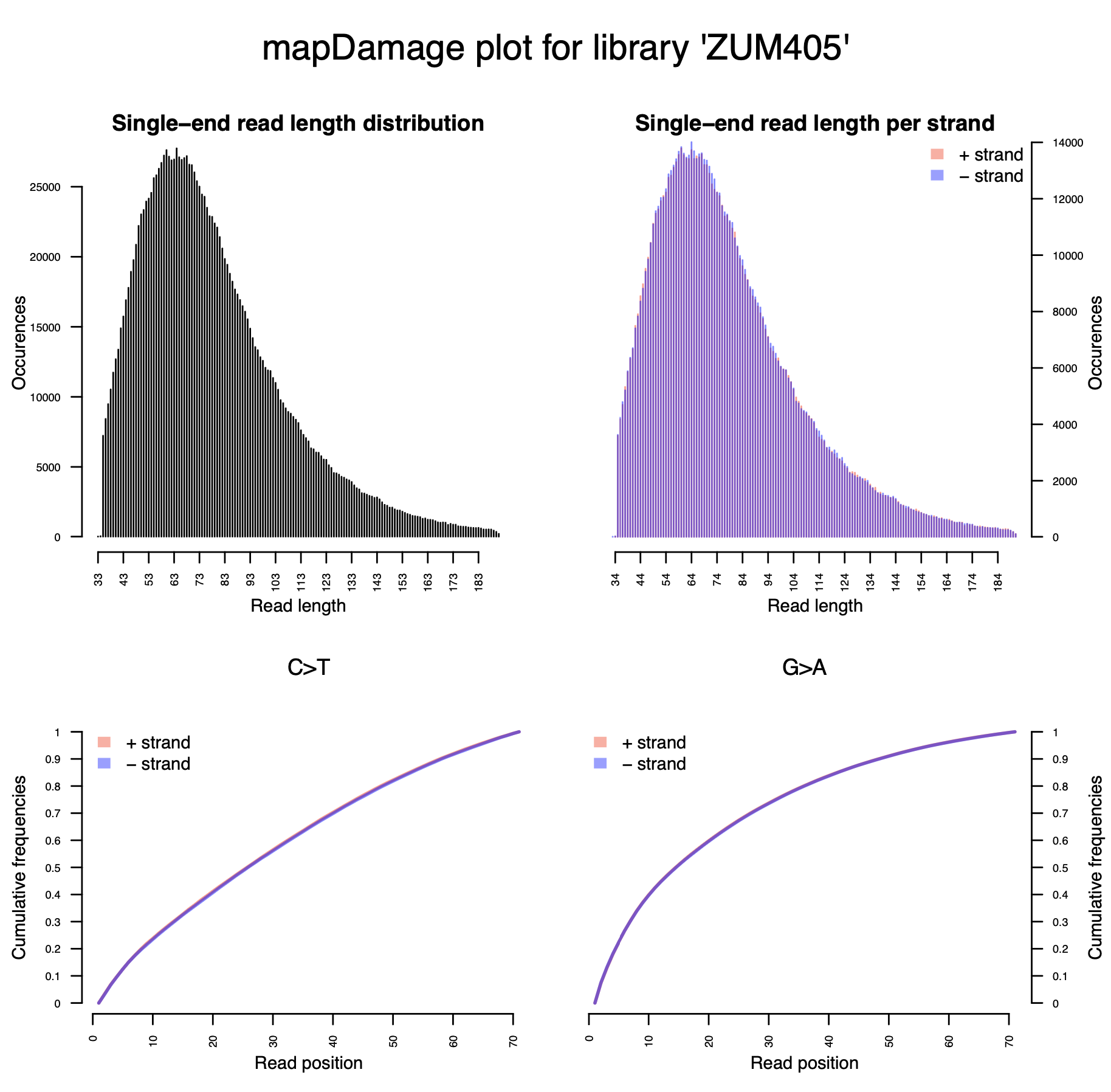
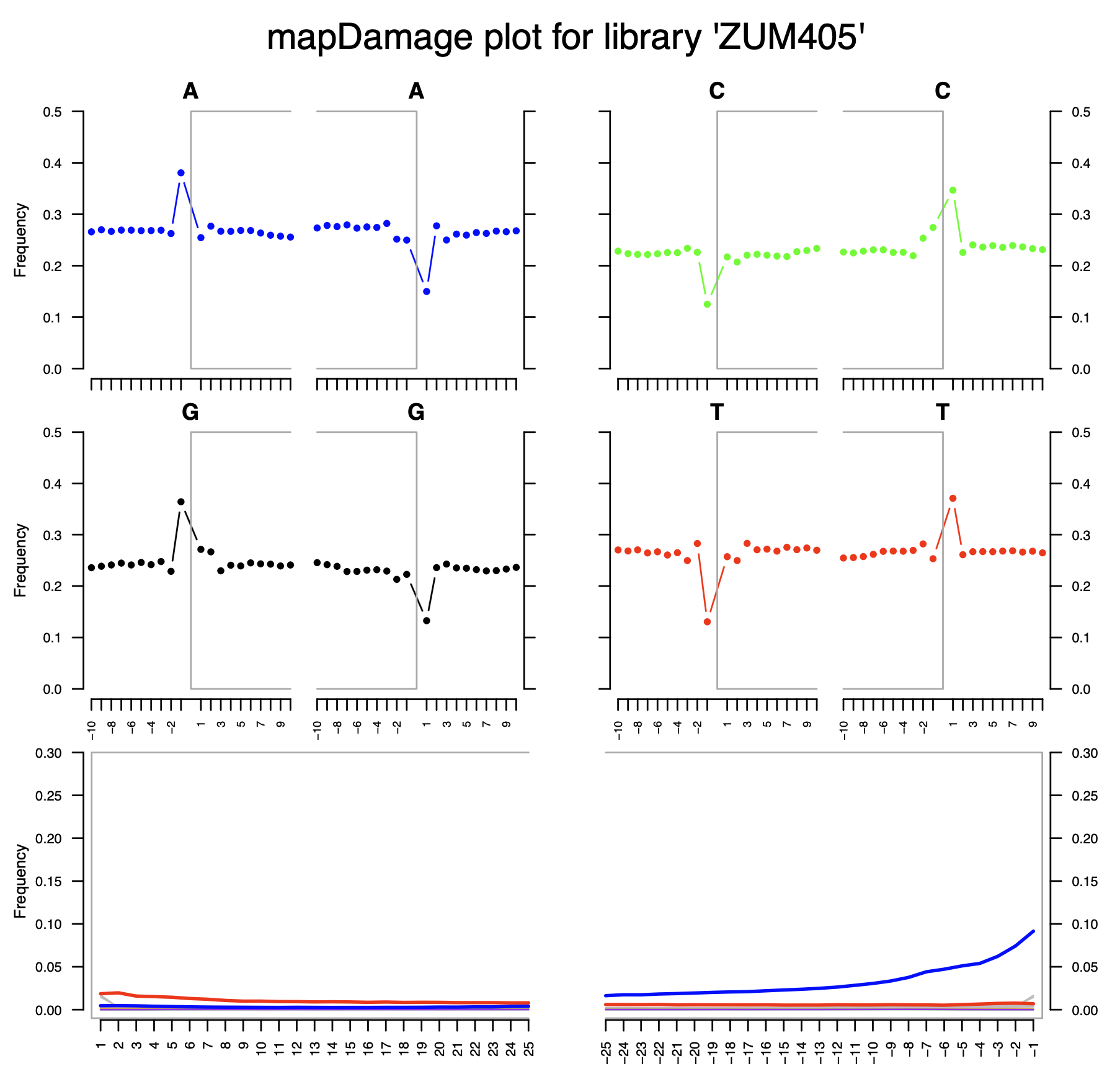
Reads were aligned to the polar bear reference genome. The sequences showed the expected signatures of historical DNA: fragmentation through depurination and post-mortem cytosine deamination.

Population-genetic analyses are now using these alignments to reconstruct past population structure and genetic diversity.

Explore the Shirokuma database